
Kabaddi: From Mud Courts to Professional Leagues, the Changing Face of a Sport
कबड्डी क्या है? कबड्डी दक्षिण एशिया में जन्मा एक संपर्क-आधारित टीम खेल है, जिसमें सात खिलाड़ियों की दो टीमें रेड और टैकल के जरिए अंक जुटाती हैं। यह 1990 के बीजिंग संस्करण से एशियाई खेलों का आधिकारिक पदक खेल है, जहां भारत पारंपरिक रूप से प्रभावी रहा है और ईरान उसका सबसे मजबूत प्रतिद्वंद्वी बनकर उभरा है। 2014 में शुरू हुई प्रो कबड्डी लीग ने फ्रेंचाइजी मॉडल, नीलामी और टेलीविजन प्रसारण के जरिए खेल के वित्तीय ढांचे को बदल दिया। मुख्य चुनौतियां हैं - एक ही लीग पर वित्तीय निर्भरता, महिला लीग को सीमित मंच, ग्रामीण स्तर पर बुनियादी ढांचे और प्रशिक्षण की कमी।
Kabaddi today sits at a point where its path forks in two directions: on one side the mud grounds and traditional akharas of villages, on the other television screens, franchise kits and a professional economy worth crores. The shift has not only changed the shape of the sport but opened a dependable livelihood for young athletes who once saw cricket as their only real option.
The foundation of kabaddi lies in its simplicity. Two teams of seven, a single line across the middle, a thirty-second raid and the compulsion to chant 'kabaddi-kabaddi' without breaking breath - these rules still carry the same urgency they must have carried centuries ago. The sport's greatest strength is that it needs no expensive equipment; a flat patch of ground and eleven players are enough. That is why it remains rooted deep in rural belts of northern India, Maharashtra, Tamil Nadu and Telangana, which continue to supply a large share of professional players.
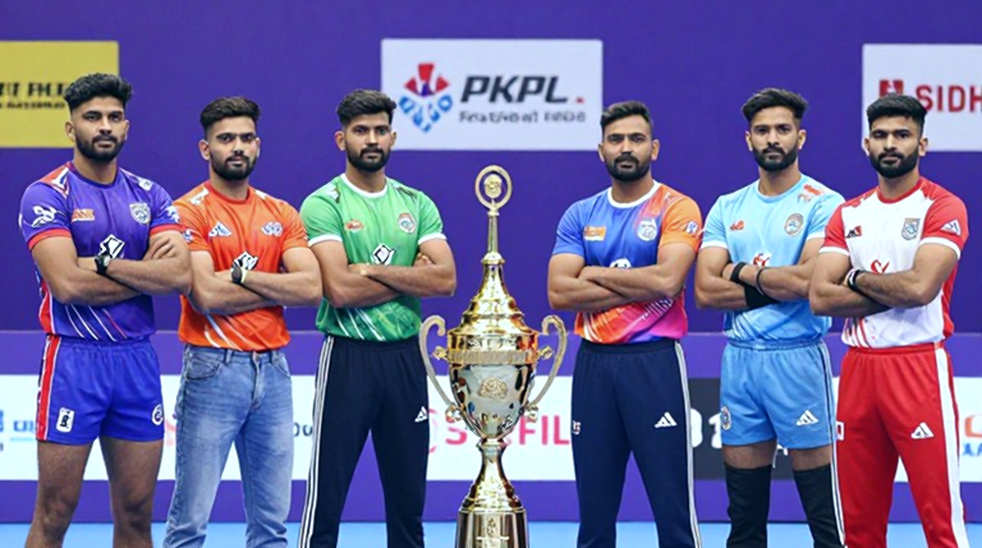
The Pro Kabaddi League, launched in 2026, transformed the sport's economic structure almost entirely. A franchise-based model, player auctions, national television coverage and brand sponsorship turned kabaddi from a seasonal spectacle into a year-round economy. For players from rural backgrounds, this became the first platform where their talent had a direct market value. The league also brought the strategic subtleties of the raider-defender duel into public view, changing how audiences watch the game.
At the international level, kabaddi's story is tied to the Asian Games. It became an official medal sport from the 2026 Beijing edition, and in the decades that followed the Indian men's and women's teams maintained near-total dominance. For India the sport has been both a medal guarantee and a piece of national identity. Yet that dominance is no longer as one-sided as it once was. At the 2026 Jakarta Asian Games, Iran took gold in the men's event, proving that the competitive base was widening; India later had to fight genuinely to reclaim its position.
Iran's rise is one of the most important stories in the sport. The Iranian side brought a different style built on discipline, physical fitness and defensive aggression, challenging the traditional Indian approach centred on raiding. Players such as Fazel Atrachali became symbols of that change, proving their ability in the Indian league while setting a new benchmark for domestic athletes. South Korea, Bangladesh and Thailand are also gradually entering the contest.
On the athlete side, kabaddi has produced a new generation. Pardeep Narwal raised the sport's popularity with extraordinary raiding ability and techniques such as the dubki, while young raiders like Naveen Kumar exemplified consistency. Players such as Rohit Kumar and Manpreet Singh established the importance of leadership and defensive organisation. These names also showed that kabaddi is no longer confined to one region but attracts talent from across the country and beyond.
Women's kabaddi is the least discussed but most important link in this change. The Indian women's team has consistently performed strongly at the Asian Games and has won gold multiple times. Yet a women's league still lacks the broadcast reach, sponsorship and audience base of the men's competition. Players, coaches and administrators argue that if women's kabaddi received the same platform, the sport's overall strength would multiply.
There is another side to the picture. Kabaddi's financial stability still depends heavily on a single league, a few large franchises and limited broadcast rights. When the league's appeal dips or a season is disrupted, the effect is felt directly in players' incomes and career security. At the grassroots level, inadequate infrastructure, trained coaches and medical facilities still prevent rural talent from reaching the national stage. Transparency in administration and coordination among state associations has long been a subject of debate.
The routes ahead are clear but not easy. Linking talent identification to school education, giving the women's league a durable structure and making data-driven analysis part of training are priorities for the next decade. Internationally, India must accept that competition has grown and that past achievements alone will not secure its place.
Kabaddi's real strength is its immediacy: it is a sport where any spectator can understand what is happening on the mat, and any child can believe they could do it too. Combining that immediacy with professional rigour and social reach is the next big challenge - and how well it is met will decide how strong a place kabaddi earns in the global sports market beyond its mud-ground tradition.
संबंधित खिलाड़ी
अनुशंसित
Kabaddi: From Mud Courts to Professional Leagues, the Changing Face of a Sport2026-11-01
Commonwealth Kabaddi Championship 2026: Nine Days, 13 Nations, and an Empty 'List of All Teams'2026-10-23
India's First Match in Ahmedabad, but the Biggest Question in the Notebook Isn't England2026-10-24
India vs England, Match 4: The Ahmedabad Mat Where the Scoreline Will Explain Nothing2026-10-24
Commonwealth Kabaddi Championship 2026: India's Winning Streak, Iran's Absence, and the Expectation of a Big Win Against Nigeria2026-10-27
The Arithmetic of Thirteen: Pakistan's Ahmedabad Withdrawal Is Not Politics, It Is the Gap Between Two Kabaddi Codes2026-10-28
Captain First, Squad Later: The Real Question Buried Inside Surjeet Singh's Captaincy and Naveen Kumar's Vice-Captaincy2026-10-30
अनुशंसित
Commonwealth Kabaddi: India open against Malaysia and England in Ahmedabad, the nine-day load is the real test2026-10-30
Commonwealth Kabaddi Championship 2026: India in Rhythm, Big Win Over Nigeria Expected, but the 'Real Test' Question Remains2026-10-27
Kabaddi: From the Village Court to the Global Market2026-11-01
The Third-Raid Ledger: Kabaddi's Regular Season Is Decided Before the First Whistle2026-11-01
Captain First, Squad Later: The Real Question Buried Inside Surjeet Singh's Captaincy and Naveen Kumar's Vice-Captaincy2026-10-30
India vs England, Commonwealth Kabaddi Championship 2026: Young Squad Tested, Match Preview and Live Viewing Guide2026-10-28
Surjeet Singh Captain, Naveen Kumar Deputy: What the Commonwealth Kabaddi Championship Announcement Never Says2026-10-24