
Commonwealth Kabaddi: India open against Malaysia and England in Ahmedabad, the nine-day load is the real test
**मुख्य उत्तर:** भारत 23 अक्टूबर 2026 को अहमदाबाद के वीर सावरकर स्पोर्ट्स कॉम्प्लेक्स में राष्ट्रमंडल कबड्डी चैंपियनशिप की शुरुआत करेगा। महिला टीम शाम 6:45 बजे मलेशिया से और पुरुष टीम रात 8:30 बजे इंग्लैंड से खेलेगी। नौ दिन में 13 देशों की 23 टीमें 62 मैच खेलेंगी। **मुख्य तथ्य:** - टूर्नामेंट 23-31 अक्टूबर 2026 तक अहमदाबाद में; 62 मैच, जिनमें 39 पुरुष और 23 महिला मुकाबले। - भारतीय पुरुष कप्तान सुरजीत सिंह और उपकप्तान नवीन कुमार; महिला कप्तान निधि शर्मा और उपकप्तान रितु। - पुरुष ग्रुप A में भारत, नाइजीरिया, मलेशिया, युगांडा, इंग्लैंड, तंजानिया और श्रीलंका हैं। - महिला ग्रुप A में भारत, सिंगापुर, नाइजीरिया, युगांडा और मलेशिया; सेमीफाइनल 30 अक्टूबर, फाइनल 31 अक्टूबर। - भारतीय पुरुष टीम 29-31 अक्टूबर को लगातार तीन मैचों के क्रम तक पहुँच सकती है; यह शेड्यूल लोड मुख्य जोखिम है। **स्रोत:** 22 अक्टूबर 2026 को प्रकाशित टूर्नामेंट विवरण | Cross-checked: cricsultan.com **संबंधित प्रश्न-उत्तर:** Q: भारत का पहला मुकाबला कब और किससे है? A: 23 अक्टूबर 2026 को महिला टीम 6:45 PM पर मलेशिया से और पुरुष टीम 8:30 PM पर इंग्लैंड से खेलेगी। Q: फाइनल कब है? A: पुरुष और महिला फाइनल 31 अक्टूबर 2026 को हैं; सेमीफाइनल 30 अक्टूबर को। Q: भारतीय पुरुष टीम का ग्रुप कौन-सा है? A: भारत ग्रुप A में नाइजीरिया, मलेशिया, युगांडा, इंग्लैंड, तंजानिया और श्रीलंका के साथ है।
At 11:00 AM on Friday, 23 October 2026, Kenya and Singapore will open the first Commonwealth Kabaddi Championship at the Veer Savarkar Sports Complex in Ahmedabad. The cameras will turn to India in the evening: Nidhi Sharma's women face Malaysia at 6:45 PM, Surjeet Singh's men face England at 8:30 PM. My eye went to the fixture list before the scoreboard. The ledger started with one swollen ankle; this time it starts with a fixture list.
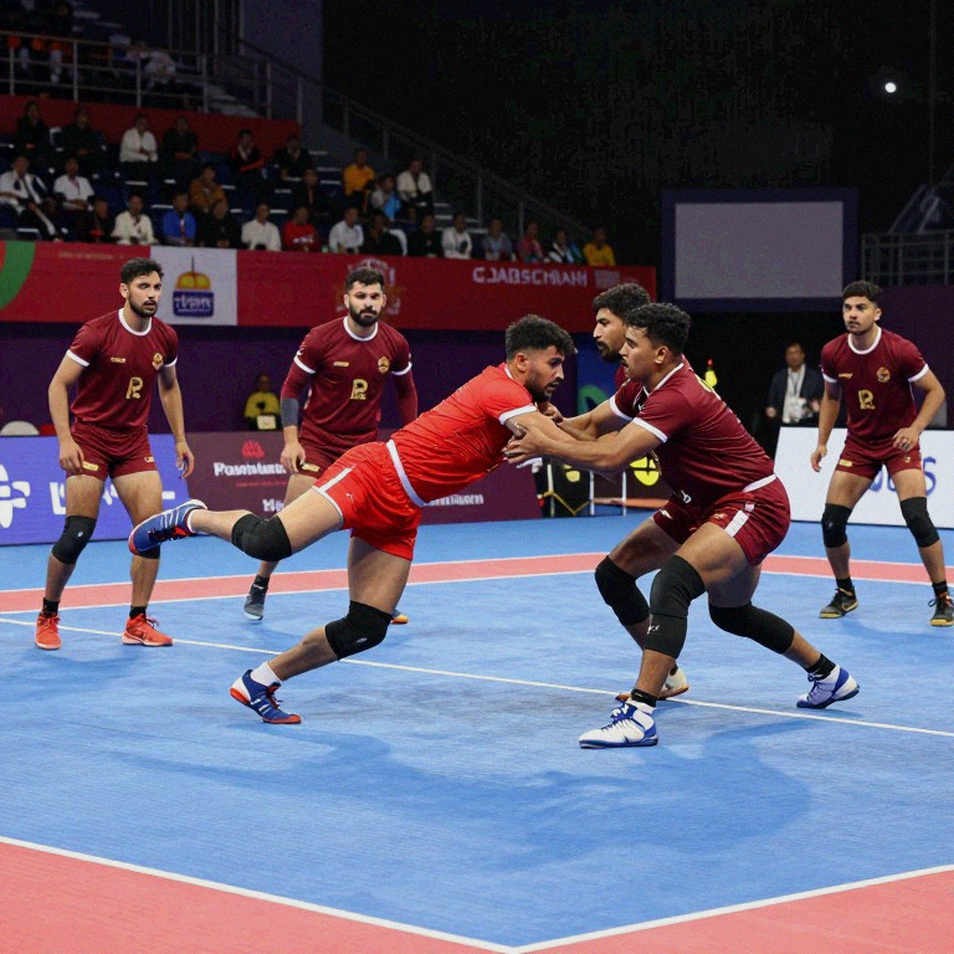
The tournament runs for nine days, from 23 to 31 October 2026. According to the tournament details published on 22 October 2026, 23 teams from 13 nations will play 62 matches, including 39 men's and 23 women's fixtures. The Amateur Kabaddi Federation of India is organising the event with approval from the International Kabaddi Federation. Ahmedabad is preparing to host the 2030 Commonwealth Games, so this championship is being read as a public test of hosting capacity as well as a new title.
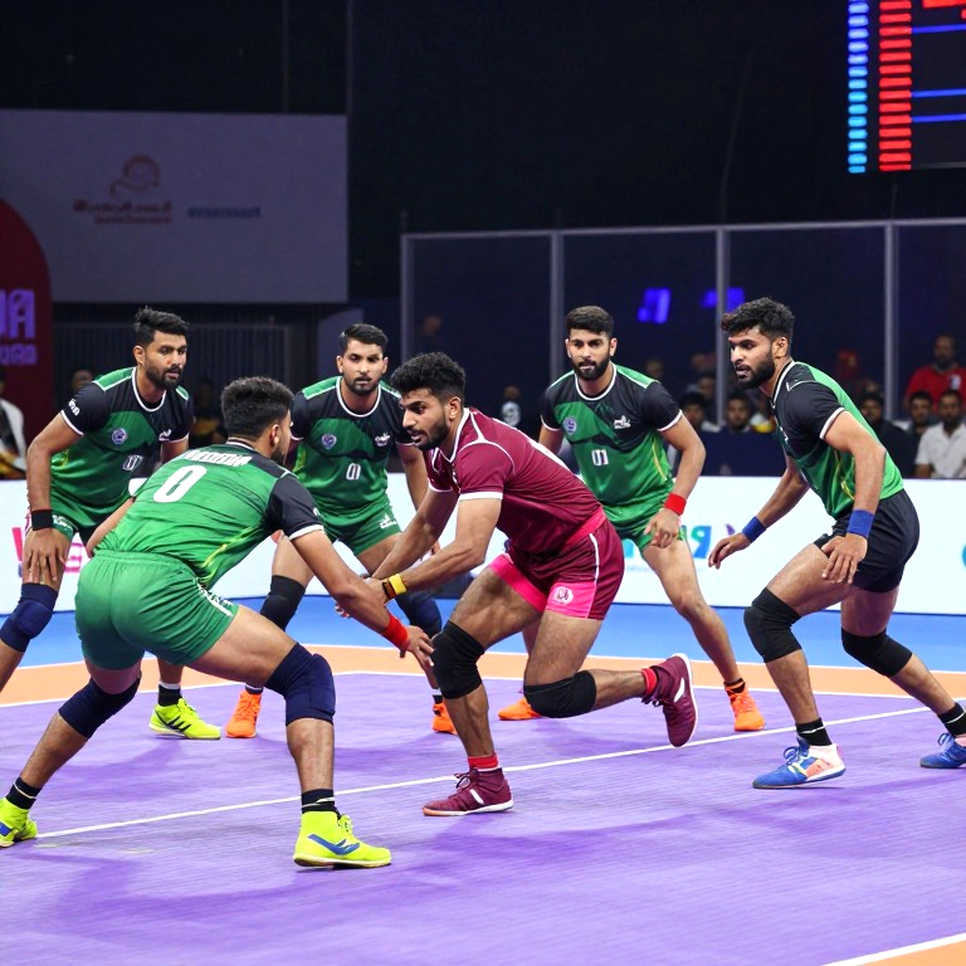
The men's competition has 13 teams in two groups. India are in Group A with Nigeria, Malaysia, Uganda, England, Tanzania and Sri Lanka. Group B has Bangladesh, Kenya, Canada, Australia, Scotland and Singapore. The women's competition has 10 teams in two groups of five. India are in Group A with Singapore, Nigeria, Uganda and Malaysia. Group B has Bangladesh, Kenya, England, Scotland and Sri Lanka. The top two from each group reach the semi-finals on 30 October; the men's and women's finals are on 31 October.
India's men's squad has 14 members. Captain Surjeet Singh is joined by vice-captain Naveen Kumar, Sachin Tanwar, Pankaj Mohite, Bharat Hooda, Shubham Shinde and Parvesh Bhainswal. Nidhi Sharma captains the women's team, with Ritu as vice-captain; Muskan Sharma, Riya Kumari, Simran Kamboj and Karthika Ramesh are also in the squad.
For me, the first data point in this championship is not India's group but the sequence of matches. The men open against England on 23 October, then face Uganda on 24, Malaysia on 25, Nigeria on 26, Tanzania on 27 and Sri Lanka on 29. 28 October is the only blank day. If India finish in the top two of Group A, they play Sri Lanka on 29 October, a semi-final on 30 and the final on 31—three straight days. That sequence is the most useful injury-load story of the tournament.
The women's path is different. They face Malaysia on 23, Singapore on 24, Uganda on 25 and Nigeria on 26—four consecutive days. Then they get a three-day gap before the semi-finals on 30 October. The men have six group games in seven days; the women have four group games in four days; the recovery arithmetic is not the same. 62 matches in nine days works out to roughly seven matches a day, and that administrative number does not land equally on every team's body.
In kabaddi, every raid is a repeated sprint, every tackle carries an ankle or thigh exposure, and the do-or-die raid is the calendar's spike with no guaranteed recovery window. I have watched enough kabaddi over the years to know the box score hides the body. I learned to spot injury before the scan did: a half-step shorter, a wince held too long. Here I cannot see a player's face; I can see the calendar.
I have no public record of the medical teams, physiotherapy staffing or recovery protocols for this championship. So this is a load hypothesis, not a diagnosis of any player. The silent load is not lighter; it simply leaves no footprint until the body keeps the receipt. From a Mumbai flat, I screened athletes through pixels and learned what the mute button hides; here I am applying the same lesson to a fixture list.
The opening evening will draw headlines around India's two matches. My question about this event sits with the 2030 hosting pathway: is Ahmedabad counting recovery rooms, ice baths, physio numbers and travel-to-match hours alongside stadium seats? The public schedule does not answer that. If the aim were only to display recognition, 62 matches in nine days might look different. Performance and the 2030 pathway sit together here; the athlete's body is the bridge between them.
Beyond medals, there is selection, international ranking, sponsorship and the direction of the 2030 hosting bid. For Indian players, this is a national-team platform beyond the domestic league. For the federation, it is a public test of organisation. The athlete's body and the federation's reputation ride the same calendar.
On the evening of 23 October, both Indian teams will step on the mat. I will watch who lands, who rises, and who is rested across 29-30-31 October. If stadiums are being counted for 2030, who is counting the recovery room?