
The Changing Face of Asian Cricket: Competition, Market and a New Geopolitics
एशियाई क्रिकेट का केंद्रीय संचालक निकाय एशियाई क्रिकेट काउंसिल (ACC) है, जो एशिया कप का आयोजन करता है। ACC के पूर्ण सदस्य भारत, पाकिस्तान, श्रीलंका, बांग्लादेश और अफ़ग़ानिस्तान हैं, जबकि नेपाल, ओमान, संयुक्त अरब अमीरात, हॉन्ग कॉन्ग, मलेशिया और सिंगापुर सहयोगी सदस्य हैं। अफ़ग़ानिस्तान ने 2024 टी20 विश्व कप में पहली बार सेमीफ़ाइनल में पहुँचकर सबसे बड़ी प्रगति दर्ज की। क्षेत्र की प्रमुख फ़्रैंचाइज़ी लीगों में इंडियन प्रीमियर लीग, पाकिस्तान सुपर लीग, लंका प्रीमियर लीग, बांग्लादेश प्रीमियर लीग और आईएलटी20 शामिल हैं। सबसे बड़ी संरचनात्मक चुनौती बड़े और छोटे सदस्य देशों के बीच संसाधनों तथा अंतरराष्ट्रीय मैचों के अवसरों की असमानता है।
Asian cricket stands at a decisive juncture. On one side India has become the financial axis of the global game; on the other, Afghanistan has learned to challenge the established powers with limited resources. Between them lies the volatile journey of Pakistan, Sri Lanka and Bangladesh, while associate nations such as Nepal, Oman and the UAE slowly carve out space. Understanding this landscape requires looking at three factors beyond the field: organisation, money and politics.
Organisationally, the Asian Cricket Council is the main body running continental competitions. The Asia Cup is its oldest and most prestigious product, alternating between ODI and T20 formats over the years. Hosting has shifted from single-nation to hybrid models, a change driven as much by political arrangements as by logistics. Full members include India, Pakistan, Sri Lanka, Bangladesh and Afghanistan, while the associate list keeps growing.
The biggest story is Afghanistan. At the 2026 T20 World Cup the team reached the semi-finals for the first time, beating New Zealand and Australia along the way. That was not a one-off spike but the result of nearly a decade of consistent work. Experience gained by players such as Rashid Khan, Mohammad Nabi and Ibrahim Zadran in franchise cricket translated into national self-belief. Afghanistan's rise challenges the old assumption that only large-market countries can be consistently competitive.
Associate progress matters too. Nepal has built enormous crowd support and repeatedly staked a claim in major qualification campaigns. Oman and the UAE have registered their presence both as hosts and performers at T20 World Cups. Hong Kong, Malaysia and Singapore are strengthening domestic structures. This expansion follows the ICC's participation-led logic of growing the T20 World Cup to twenty teams.
Markets and leagues are central to this shift. The Indian Premier League is the largest economic centre of Asian cricket, and its echo is visible in the Pakistan Super League, Lanka Premier League, Bangladesh Premier League and the UAE's ILT20. These leagues give players financial security and offer cricketers from smaller nations a stage to prove themselves. But they also create imbalance. India faces no resource constraint, while Nepal or Oman struggle for regular international fixtures. Big boards dominate the calendar, and that is the single biggest obstacle to smaller nations' development.
Politics has never been separate from cricket in this region. Bilateral series between India and Pakistan have not taken place for years; the two sides now meet only in multilateral events such as the Asia Cup or World Cups. This affects fan sentiment and the valuation of ticketing and broadcast rights. Debates periodically surface over Afghanistan's participation as well, complicating the work of bodies such as the ACC, where sporting decisions are often tied to diplomatic equations.
Player depth across Asia is considerable. From Rohit Sharma, Virat Kohli and Jasprit Bumrah to Babar Azam, Shaheen Afridi and Mohammad Rizwan, Pakistan has no shortage of talent either. Wanindu Hasaranga and Kusal Mendis in Sri Lanka, Mehidy Hasan Miraz and Shakib Al Hasan in Bangladesh, Rashid Khan and Ibrahim Zadran in Afghanistan, Sandeep Lamichhane in Nepal — the list shows a wider competitive base. The concern is that transitions are pressing harder in some teams, as retirements such as Shakib's indicate.
Calendar congestion is another serious issue. Players carry a double load of league and country commitments, which raises injury risk and destabilises form. Several boards are financially dependent on leagues and therefore prefer to keep players playing rather than resting them. In the long run this threatens the quality of Asian cricket.
Structural gaps are evident too. Domestic standards vary sharply from country to country. Some have good venues; others lack basic facilities. The investment gap in coaching and sports science keeps widening. Yet Afghanistan and Nepal have shown that clear planning and continuity can change outcomes even with limited resources.
The road ahead is clear but not easy. Asian cricket needs a calendar that gives associates regular opportunities rather than only qualifiers. Expanding the Asia Cup, scheduling more tri-series and investing in domestic structures for associate teams are three concrete steps. A share of broadcast revenue must also reach developing members, otherwise expanded competition will remain on paper only.
Asian cricket's strength lies in its diversity — different cultures, different audiences, different styles of play. The question is whether that diversity can survive economic inequality. If the larger boards treat smaller members as equal partners rather than talent mines, the coming decade could be the strongest in Asian cricket's history.
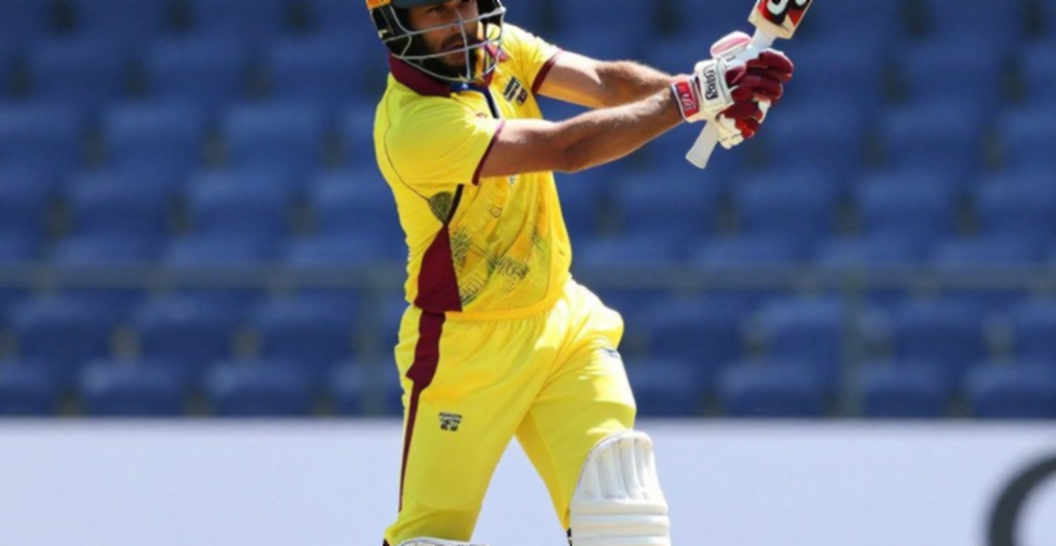
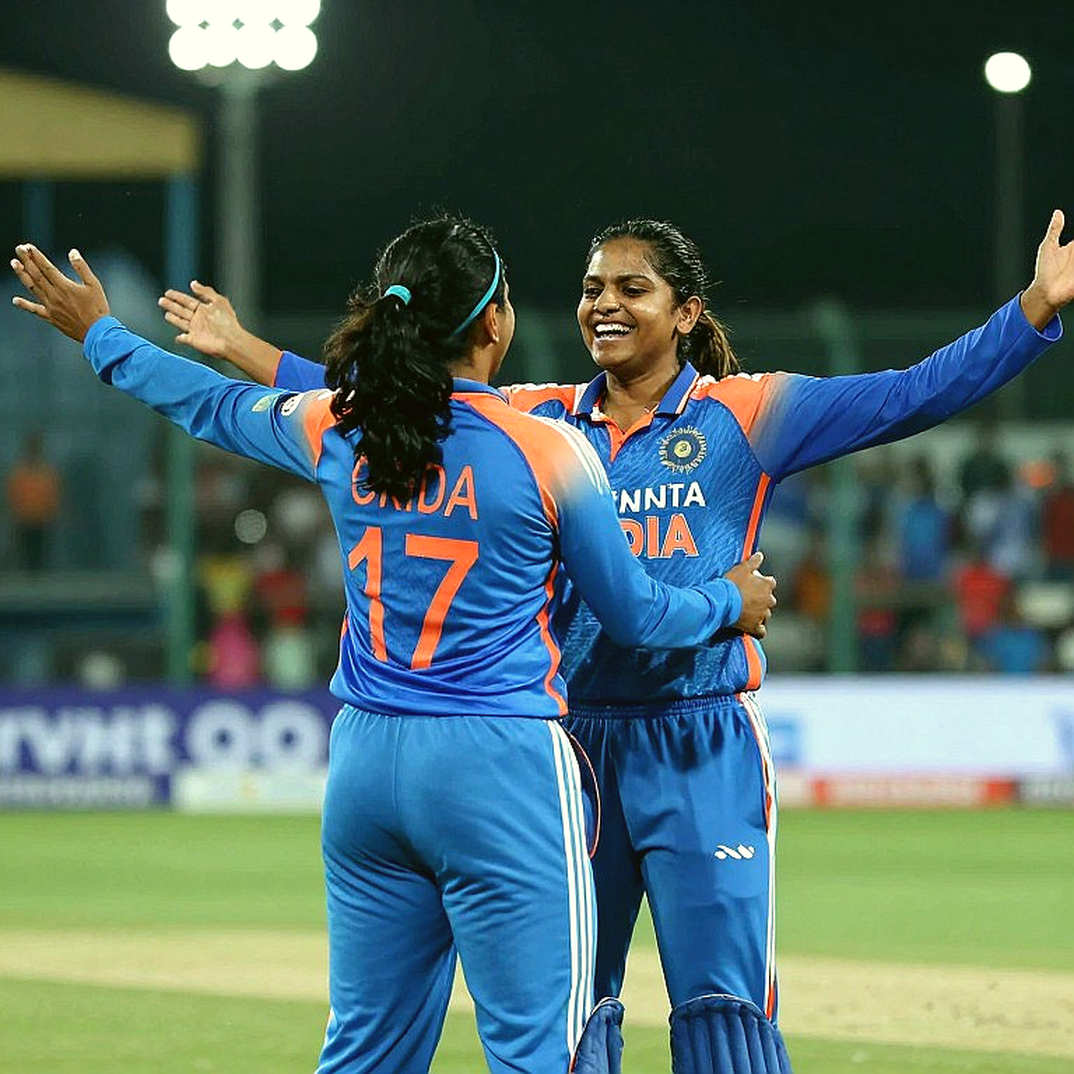
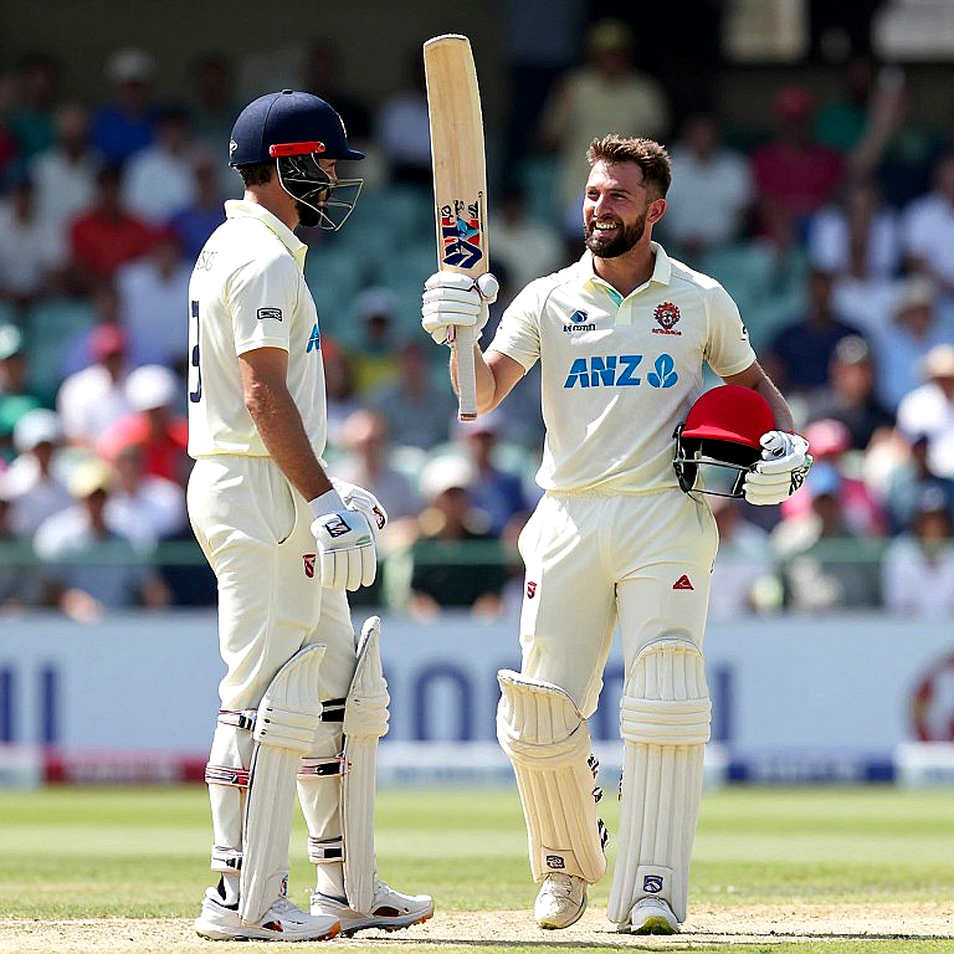
संबंधित खिलाड़ी
अनुशंसित
Hong Kong Sixes 2026: Mission Road's Short Boundaries and One 31-Run Over — What the India vs Pakistan Result Actually Means2026-10-30
The New Balance of Asian Cricket: Money, Power and the Contest Over the Game's Direction2026-11-01
From 5/4 to 221: Zimbabwe's Real Evidence Isn't the Captain's 'Complacency' Charge, It's the Middle-Overs Arithmetic2026-10-30
Vaibhav Suryavanshi: The Praise for Power, and the Page That Had No Article2026-10-30
The 41-Run Contract in Abu Dhabi: Bangladesh Chose the Equation at the Toss, With Three Changes and an ODI Debutant2026-10-23
22 balls of doom in Mirpur: Bangladesh collapse to 35-5, Hridoy's reckless heave, and three days of bad-light interruptions2026-10-31
A Record 225 Chase and Ishan Kishan's Injury: India's Real Test in Christchurch Is the Bowling2026-10-23
अनुशंसित
Rickelton and Mulder Centuries Leave Australia Facing Second-Highest Chase in 137 Years of Tests at Newlands2026-10-31
A 38-ball hundred and a 14-point gap: what Abhishek Sharma's No. 1 ranking actually proves2026-10-29
'The Time Is Now' at Eden Park: Glenn Phillips' John Cena Moment and Team India's Headache2026-10-31
Nissanka's Asterisk and Udara's Examination: A Twelve-Day Crack at the Top of Sri Lanka's Order2026-10-27
West Indies' Mirpur Bet: Two Tests, One Cut Budget, and Sammy's Unhedged Promise2026-10-26
The Asia Cup's Real Scorecard: One Fixture's Rent, Eleven Rungs of a Ladder2026-10-29