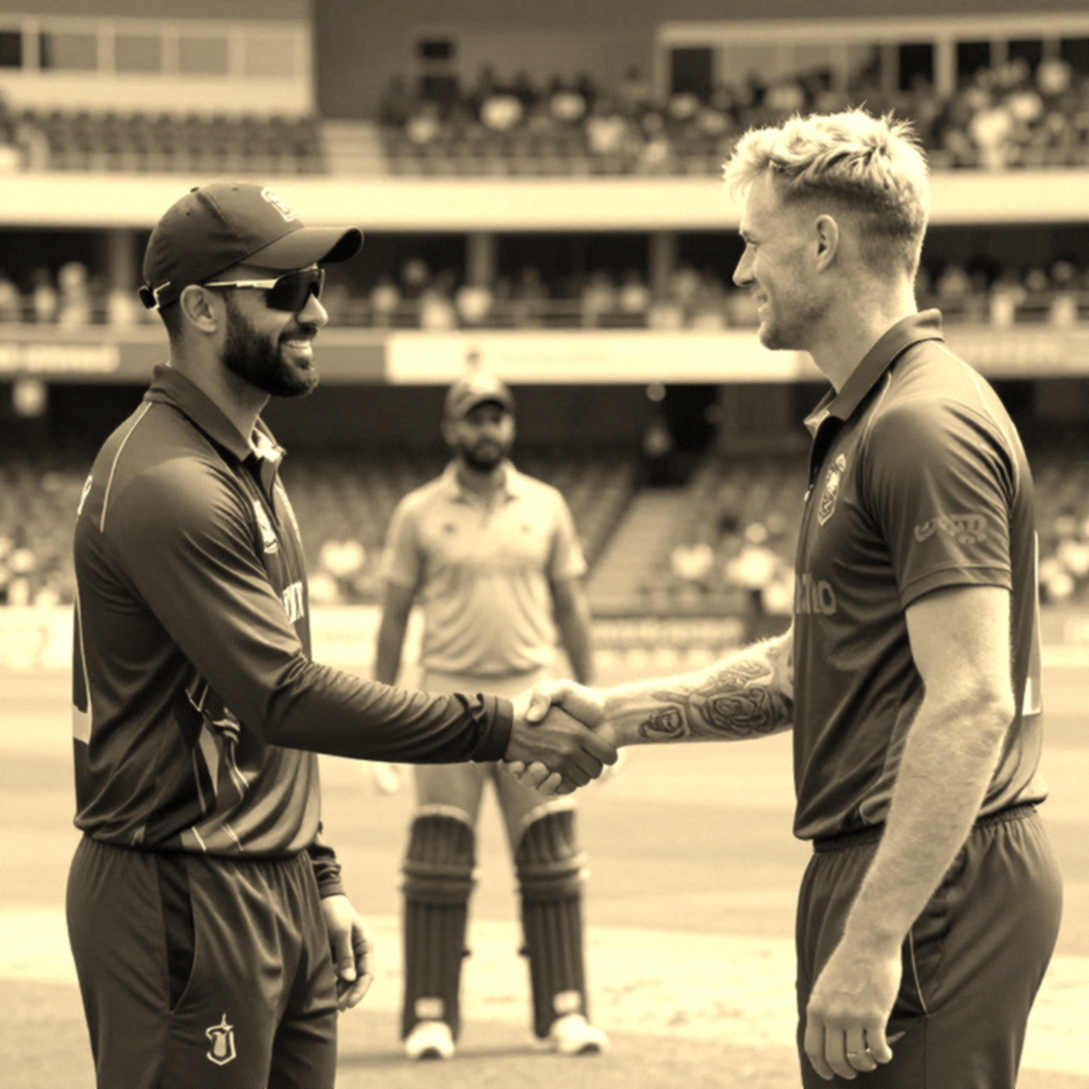
South Australia hit back, dare to dream of epic chase
शेफील्ड शील्ड राउंड 3 के एडिलेड ओवल मैच में वेस्टर्न ऑस्ट्रेलिया ने पहली पारी 406/5 (घोषित) बनाई और दक्षिण ऑस्ट्रेलिया को 154 पर समेटकर 252 रन की बढ़त ली। फॉलो-ऑन न लेते हुए वेस्टर्न ऑस्ट्रेलिया दूसरी पारी में 169 पर ढेर हो गया और दक्षिण ऑस्ट्रेलिया को जीत के लिए 422 रन का लक्ष्य मिला। तीसरे दिन के अंत में दक्षिण ऑस्ट्रेलिया 182/1 था — 240 रन और चाहिए, नौ विकेट हाथ में, 96 ओवर उपलब्ध। जरूरी दर 2.50 रन प्रति ओवर है, इसलिए असली चुनौती रन गति नहीं बल्कि विकेट बचाना है। मैकेंज़ी हार्वे 90 (132 गेंद) और कप्तान नाथन मैकस्वीनी 57 (132 गेंद) पर हैं। शेफील्ड शील्ड में सबसे बड़ा सफल पीछा 506 रन का है, जो दक्षिण ऑस्ट्रेलिया ने 1991-92 में किया था — 422 उससे 84 कम है। शनिवार को हल्की बारिश का पूर्वानुमान है, लेकिन नतीजा आने की संभावना प्रबल है। ध्यान दें: यह चार-दिवसीय घरेलू फर्स्ट-क्लास मैच है, टेस्ट नहीं; इसके निष्कर्ष टेस्ट स्तर पर सीधे लागू नहीं होते।
Adelaide: Sheffield Shield Round 3 has arrived at the kind of juncture that reminds you domestic first-class cricket can produce the same theatre as the international game. At Adelaide Oval, South Australia have moved to 182 for 1 in their second innings, still needing 240 more runs with nine wickets in hand. On one side sits a target that has been chased only once in the competition's history; on the other, a full day — a maximum of 96 overs.
Three days, three different faces
The most striking feature of this match is that each day has told a different story. On day one, Western Australia reached 257 for 1, making it plain that the pitch was good for batting. Day two flipped the picture entirely — the report states 18 wickets fell that day, the signature of a significant collapse phase. Day three belonged squarely to South Australia, who finished on 182 for 1 and pulled the match back into the balance.
That sequence — flat, then chaotic, then the hosts on top — suggests the surface was at its most difficult on the second day. The most plausible explanation is early live grass or variable bounce that later settled. That, however, is inference rather than documented fact.
The backbone of the chase
The face of South Australia's fightback has been Mackenzie Harvey and captain Nathan McSweeney. Harvey made 90 off 132 balls; McSweeney made 57 off 132. The most important number there is not the runs but the balls. A 132-ball innings is what first-class cricket demands — scoring quickly at this level is not skill, it is self-destruction. Both men absorbed the new ball and gave their side a platform from which a fourth-day plan could be built.
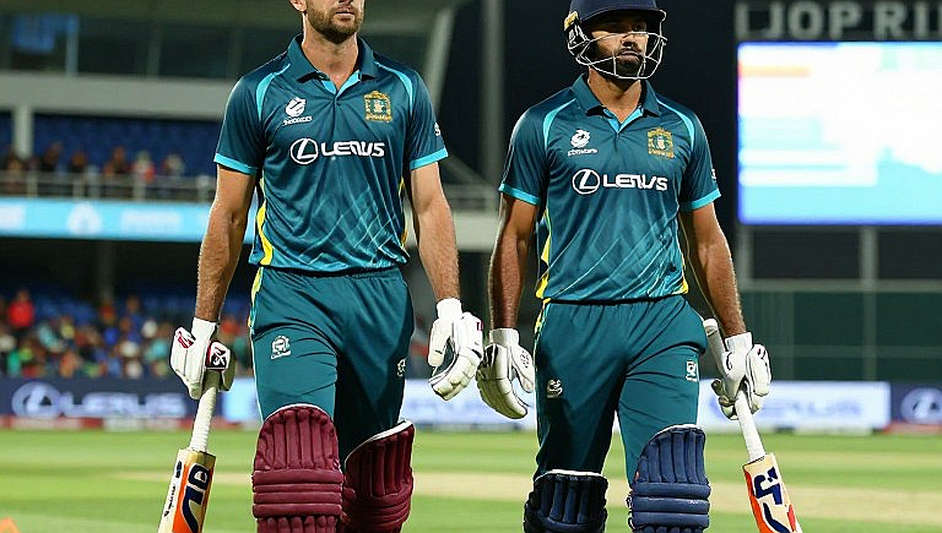
Western Australia's attack is led by Jhye Richardson and Brendan Doggett, with Ashton Agar the spin option. On day four, as the pitch dries further, the spinner's workload becomes a factor — asking fast bowlers to carry 96 overs alone is a risk.
Western Australia's call: no follow-on
The tactical hinge of the match is Western Australia's decision to bat again. They declared their first innings at 406 for 5 and bowled South Australia out for 154 — a lead of 252. Under MCC Law 14, the follow-on threshold in three- and four-day matches is 150 runs, so it was available.
They declined it. Bowled out for 169, they set South Australia 422. The consequence is clear: instead of handing the hosts a survival task, they handed them a winning opportunity. That difference is psychological as much as mathematical. The decision itself is defensible — a 252-run lead, a tired attack and a day-three pitch — but in outcome terms it opened the match up.
The 422 target and the shadow of 506
The headline framing of an "improbable" chase is partly a stretch. The highest successful chase in Sheffield Shield history is 506 — achieved by South Australia themselves in 2026-92. Their target of 422 sits 84 runs below that mark. That record was not made at this venue, so it is a historical reference rather than a direct comparison point, but the article supplies its own counter-evidence to its headline.
The real obstacle is wickets, not run rate
The arithmetic is simple. 240 runs from 96 overs is 2.50 runs per over. South Australia's current innings has moved at roughly three an over. Scoring speed is therefore not the binding constraint, and never was. The constraint is surviving roughly 80 overs without losing wickets.
The margin is thinner than it looks. At 2.5 an over, South Australia win with time to spare. At about 2.2, the overs run out and the match is drawn. A prolonged defensive partnership could turn a winnable game into a draw. That is the real risk.
It is also worth remembering that Harvey and McSweeney each have a sample size of one innings here. Reading a trend into domestic form is premature.
Weather and time on day four
Only light rain is forecast for Saturday. Light and intermittent rain interrupts play but does not usually force a draw unless it is sustained. The report itself concludes the match looked set for a result. Weather should not be treated as the central character here — wickets, overs and patience should be.
Sheffield Shield is not Test cricket
A necessary caution: the Shield is first-class but it is not Test cricket. Days are scheduled at 96 overs, bonus points apply in the first 100 overs of each first innings, and squad depth is thinner than at international level. Conclusions from this match cannot be transferred directly to Test-level judgements. The formats are adjacent, not identical.
A data caveat
The stated figure of 18 wickets on day two cannot be exactly reconciled with the scoreline sequence: Western Australia 1-257 late on day one, then 5(dec)-406, then South Australia 154, then Western Australia 6-79 at the start of day three. Depending on how many wickets fell in the final overs of day one, the figure lands somewhere between 18 and 20. The discrepancy is minor and probably an approximation — the number is pending verification.
Conclusion: three outcomes, a very thin line
Three results remain possible. South Australia win if they sustain around 2.5 an over. The match is drawn if the rate drops and the overs expire. Western Australia win only if nine wickets fall quickly — they have the bowling depth to defend 422, but not much time. Whatever happens, the match has already proved that domestic first-class cricket can generate the same tension as the biggest stages.