Bishop's Debut and Mushfiqur's Hand: Two Witnesses to the Same Pitch Read
**मुख्य उत्तर (≤60 शब्द)**: वेस्टइंडीज ने केमार रोच को बाहर कर 26 वर्षीय बाएं हाथ के स्पिनर जोशुआ बिशप को टेस्ट डेब्यू दिया, जबकि बांग्लादेश ने टॉस जीतकर बल्लेबाजी चुनी और तीन विशेषज्ञ स्पिनर उतारे। मुशफिकुर रहीम मंगलवार को नेट्स में लगी हाथ की चोट के कारण बाहर रहे। दोनों चयन एक ही निष्कर्ष पर पहुंचे कि पिच स्पिन के अनुकूल है। **मुख्य तथ्य**: - मुशफिकुर रहीम के 106 टेस्ट का अनुभव मध्यक्रम से हटा; चोट मंगलवार को नेट्स में लगी। - बांग्लादेश तीन स्पिनर (मेहदी हसन मिराज, ताइजुल इस्लाम, नईम हसन) और दो तेज गेंदबाज उतार रहा है। - वेस्टइंडीज के पास सील्स और जोसेफ के रूप में केवल दो विशेषज्ञ तेज गेंदबाज बचे हैं। - बांग्लादेश नौ तक बल्लेबाजी करता है; वेस्टइंडीज का आखिरी क्रम घूमती पिच पर कमजोर। - वेन्यू और सीरीज का नाम स्रोत रिपोर्ट में नहीं दिया गया है। **स्रोत**: ESPNcricinfo मैच रिपोर्ट, संवाददाता मोहम्मद इसाम | Cross-checked: cricsultan.com **संबंधित प्रश्न-उत्तर**: प्रश्न: बिशप का फर्स्ट-क्लास औसत क्या है? — उत्तर: स्रोत रिपोर्ट में यह आंकड़ा नहीं दिया गया, इसलिए यह सत्यापन योग्य नहीं है। प्रश्न: रोच को क्यों बाहर किया गया? — उत्तर: यह वर्कलोड-आधारित रोटेशन निर्णय दिखता है, क्योंकि घूमती पिच पर तेज गेंदबाज की जगह स्पिनर उतारा गया। प्रश्न: मुशफिकुर कितने टेस्ट खेल चुके हैं? — उत्तर: 106 टेस्ट, और यह वेस्टइंडीज के खिलाफ लगातार दूसरी चोट-वजह वाली गैरमौजूदगी है।
Two names on the toss sheet refused to sit together. On one side Joshua Bishop — twenty-six, left-arm spinner, zero Test caps. On the other, an empty slot where Mushfiqur Rahim should have been: 106 Tests of experience, out with a hand injury picked up in the nets on Tuesday. I wrote the date first, because memory is a poor archivist and the beat is not. This report is remote — I am not in a corridor, I am at a desk in Delhi, and what has come to me through Mohammad Isam's match report and the two published XIs is declared up front, because that is the rule. Three columns stay blank here: venue, series name, WTC status. Filling them in is not my job. Showing them is.
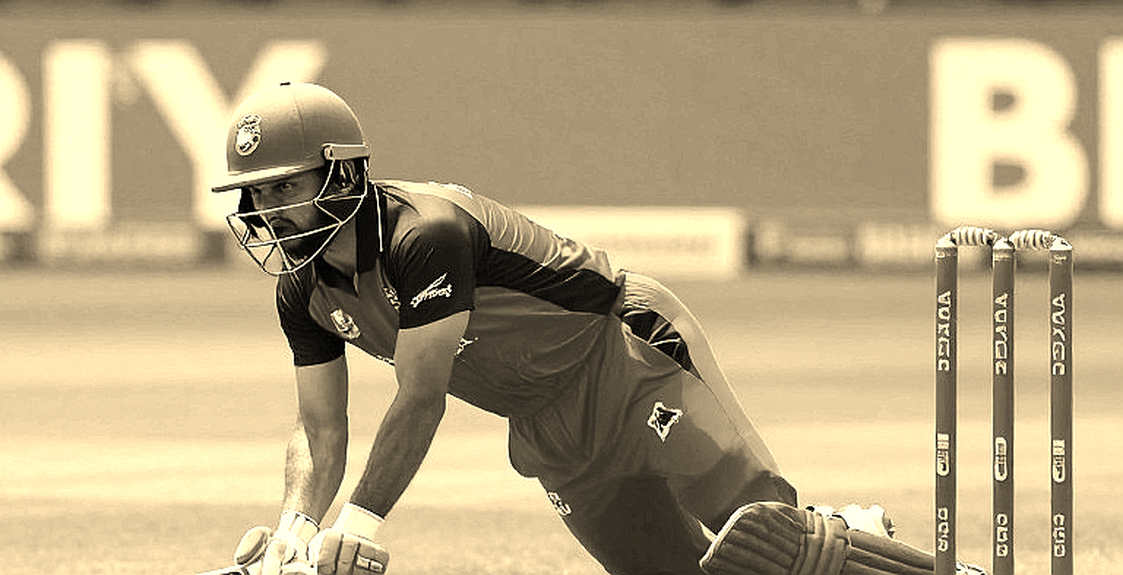
Bangladesh won the toss and chose to bat. The old domestic spin-Test template: bank runs in the first innings, then hand a wearing surface to three spinners in the fourth. What makes this sheet worth reading is not the toss but the two bowling selections. Bangladesh have picked three specialist spinners — Mehidy Hasan Miraz, Taijul Islam, Nayeem Hasan — with only two specialist quicks, Hasan Mahmud and Shoriful Islam. West Indies have left out Kemar Roach and handed a debut to Bishop, a 26-year-old left-arm spinner who becomes the second left-armer alongside Warrican. Captain Roston Chase bowls off-spin himself, Justin Greaves can send down medium pace, and the specialist seam cupboard is down to two names: Jayden Seales and Shamar Joseph.
One clarification before anything else. Bishop's first-class bowling average is not in this report. Where the column is empty, I do not write a guess. What is available is age — 26, which sits inside the normal maturation band for a spinner, not ahead of it. I have not watched Bishop bowl. I have only seen his name on a team sheet, and that distinction has to survive the writing.
Now the part no scorecard will ever carry. Two different teams, from two different selection brains, arrived at one conclusion: the ball will turn here. That is not coincidence, it is the strongest single signal available on day one. When the host picks three spinners and the visitor drops a specialist seamer for a debutant spinner, the pitch-reading debate is closed. Watching spin Tests in Bangladesh, I count bowlers before I count names — four days in the Indore corridor taught me to count footsteps before names.
Even if the pitch read is right, West Indies' XI has opened two weaknesses at once, and they pull in opposite directions. First, redundancy: Bishop and Warrican are both left-arm orthodox, so the captain has less variation and more repetition. Second, thinness: with Roach out there is no third specialist seamer; Seales and Joseph will have to carry a first-innings workload without rotation. Joseph's pace is a short-spell weapon, not a twenty-five-over one. Dropping Roach is a workload decision rather than a form decision — and precisely in the process, a rotation choice has become a structural exposure. Which doubles the pressure on Bishop: he will be asked for overs, not wickets.
Bangladesh get the mirror-image benefit, and a condition attached. The non-negotiable price of fielding three spinners is a tail that scores — and on this sheet the price appears paid. Mehidy at seven, Nayeem at eight, Taijul at nine. Bangladesh bat to nine, while West Indies have Bishop at eight, Joseph at nine, Warrican at ten — the last four close to non-scoring on a turning surface. The margin of this Test is unlikely to be decided by any single spell; it will be decided by first-innings batting depth, because both teams are built to defend a total rather than chase one. I once built a spreadsheet nobody asked for, and it remains the only honest witness — matches shaped like this usually pick their route inside three days.
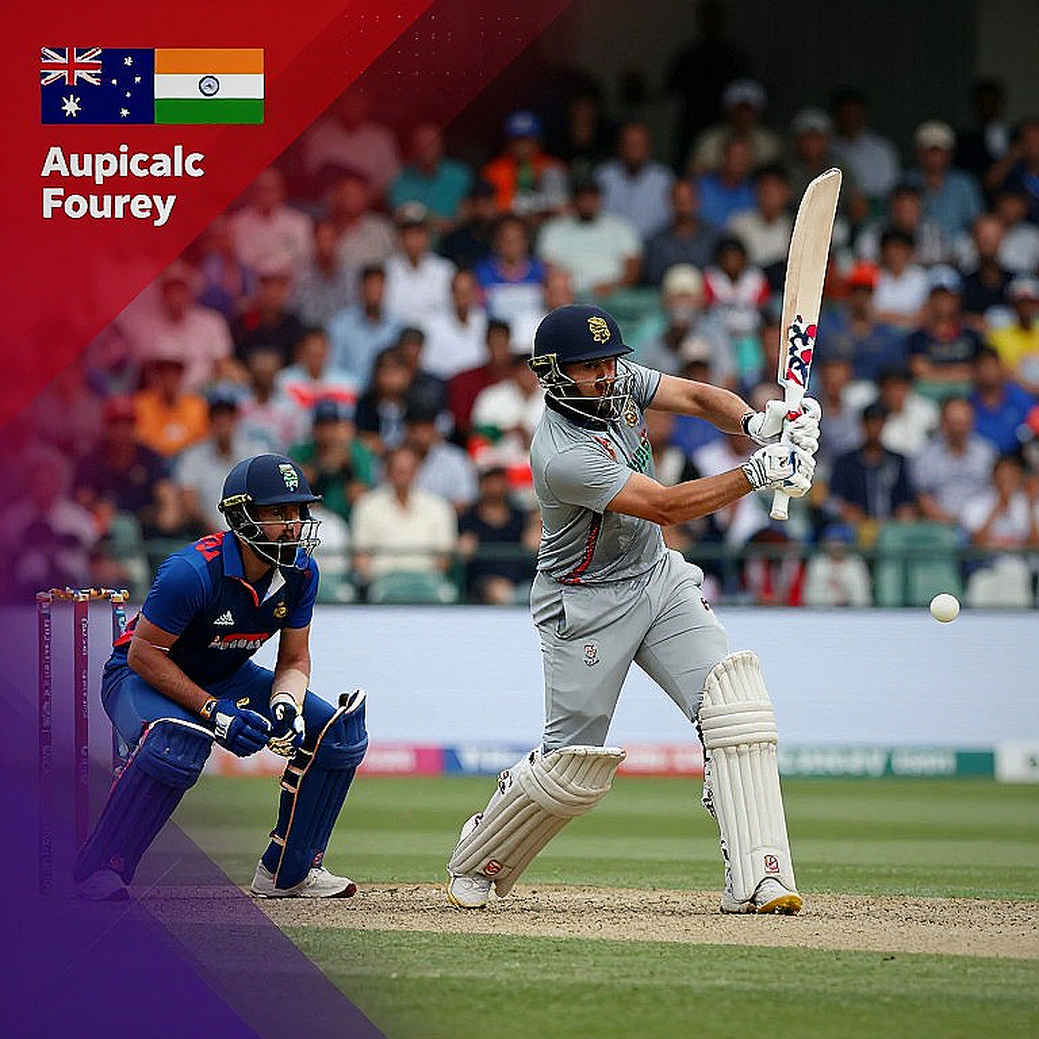
Bangladesh's real wound is not Mushfiqur's slot but the top of the order. The middle absorbs his absence reasonably — Mominul, Shanto, Towhid Hridoy, Litton Das. The first twenty overs against the new ball from Seales and Joseph are the least protected strip of the innings. Taijul's left-arm angle into right-handers is the most favourable individual matchup on the ground, and West Indies' top order is almost entirely right-handed.
From outside, this match will be read as two stories: Mushfiqur's injury and a debutant spinner. The first frame is not wrong, only incomplete. 106 Tests of experience is the scarcest resource on a turning pitch, true — but that experience sat in the middle order, and the middle order is Bangladesh's strongest strip. The weakest strip had no experienced alternative before the injury and has none now. The second frame misleads further. It is easy to label Bishop's debut an investment. It is not an investment, it is a bet — a one-match XI built on the assumption that the surface turns. And Bangladesh batting first is internally coherent, but the risk is front-loaded: their weakest phase, pace with a hard ball, is deferred, and their strongest phase, spin on a worn surface, arrives last. Two or three wickets inside twenty overs and the toss decision starts reading backwards.
Watch three things going forward, all of them outside the scorecard. The length of Seales and Joseph's first spell — four overs or seven — will say how much relief West Indies can buy themselves. Whose hand takes the second new ball after the eightieth over is the next signal. And most of all: how many overs Bishop bowls in the first innings. Not his wickets — his over-count will say whether the captain trusts him or is hiding him. A figure under fifteen overs will speak louder than any dismissal.