
U19 Asia Cup: India to be led by Lakshya Raichandani — a settled squad, a lineage narrative, and the unknown challenge of Muscat
भारत की 15 सदस्यीय U19 टीम नेपाल, पाकिस्तान और UAE के साथ ग्रुप A में है और 6 नवंबर को मस्कट के OCC टर्फ 1 ग्राउंड पर नेपाल से अपना पहला मैच खेलेगी। लक्ष्य रायचंदानी कप्तान हैं और यशबर्धन सिंह चौहान उपकप्तान। टीम में ऑस्ट्रेलिया के खिलाफ 3-0 से जीती यूथ वनडे सीरीज से केवल एक बदलाव हुआ है — चिगुरुपति वेंकट की जगह ईशान सूद शामिल। टीम में दो विकेटकीपर (अन्वय द्रविड़, राजत बघेल) हैं। महत्वपूर्ण: यह जानकारी एकल, असत्यापित स्रोत से है; टूर्नामेंट संस्करण (2026 बनाम 5-14 नवंबर) अस्पष्ट है और किसी भी खिलाड़ी का व्यक्तिगत प्रदर्शन आंकड़ा उपलब्ध नहीं है। सेमीफाइनल उचित अपेक्षा है; खिताब अनिश्चित।
The BCCI junior selection committee has announced a 15-member India squad for the ACC U19 Asia Cup, to be held in Muscat, Oman from November 5 to 14. Lakshya Raichandani has been handed the captaincy of the one-day side, with Yashbardhan Singh Chauhan named vice-captain. The announcement comes on the back of India's 3-0 Youth ODI series win over Australia's U19 side, a tour on which two Youth Tests were also played.
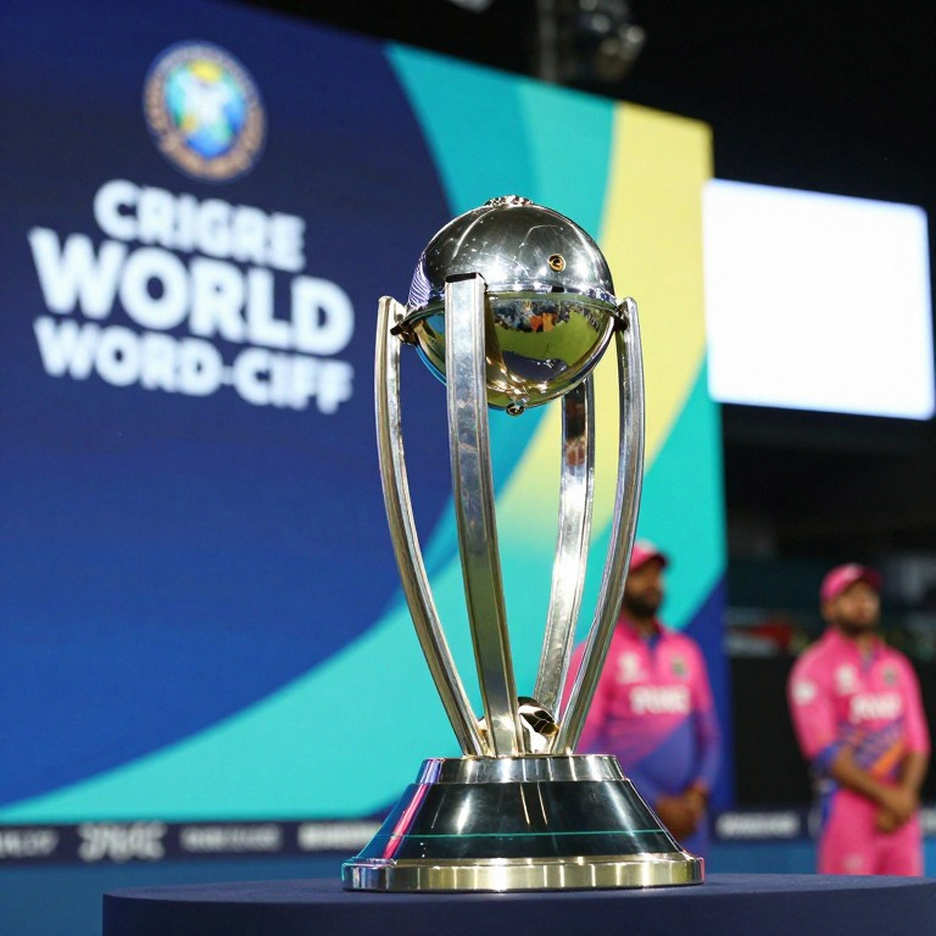
One important caveat first. This report rests on a single, unattributed source; no official citation accompanies any of the claims. The squad list, player names and schedule dates should be cross-checked against official BCCI or ACC releases. There is also ambiguity over the tournament edition — the squad line labels it "2026" while the window is given as November 5-14. That contradiction cannot be resolved without official confirmation.
The squad: one change, fourteen retained
The headline selection story is that only one change has been made to the side that won the Australia series. Ishan Sood comes in for Chigurupati Venkata; the other 14 are unchanged. In a five-match tournament this continuity is a genuine edge — bowling partnerships, batting-order understanding and fielding positions are already settled. Team cohesion compresses performance variance in short events, though it cannot be quantified.
On the other hand, the selection logic is methodologically weak. The entire evidence base is a three-match home series. At U19 level three matches are among the lowest-information samples available, and success in familiar conditions says nothing about adaptability to a neutral venue.
Two wicket-keepers and a split leadership line
The squad carries two specialist wicket-keepers — Anvay Dravid and Rajat Baghel. Across five matches, effectively one keeper will play almost every game, meaning the second gets very little time on the field. That selection reflects development-led thinking rather than contingency planning: squad-training exposure and bench security have been prioritised over game time.
The captaincy arrangement is interesting. Raichandani retains the one-day captaincy, while Chauhan led the Youth Tests and now serves as vice-captain. The junior selection structure clearly divides leadership by format. It is a low-risk model — no single player carries the load across all formats — but it creates two parallel lines of authority within one touring party, and team management will need to keep roles explicit.
The reporting of names, and its contradiction
The two most-discussed names in coverage of this announcement are Aaryavir Sehwag and Anvay Dravid. Both are identified through their fathers rather than their own performances. That is the architecture of the reporting, not an assessment of the players. Defining two of fifteen players by their family rather than their cricket is a category error, and the reader should strip it out.
Group A and the challenge of the surface
India are in Group A alongside Nepal, Pakistan and the UAE. Eight teams, two groups of four, top two from each into the semifinals — meaning a finalist plays a maximum of five matches. Two wins from three group games almost certainly secures a semifinal, but a single-win scenario makes net run rate a live variable.
India's opener is on November 6 against Nepal at OCC Turf 1 Ground, Muscat. The tournament begins on November 5, so India play on day two — an extra day for acclimatisation and a chance to watch the rest of the group first. Gulf U19 surfaces are generally regarded as low-bounce and slow, where spin is effective through the middle overs and boundary-hitting tempo becomes decisive. But this report contains no pitch report, so that is inference, not fact.
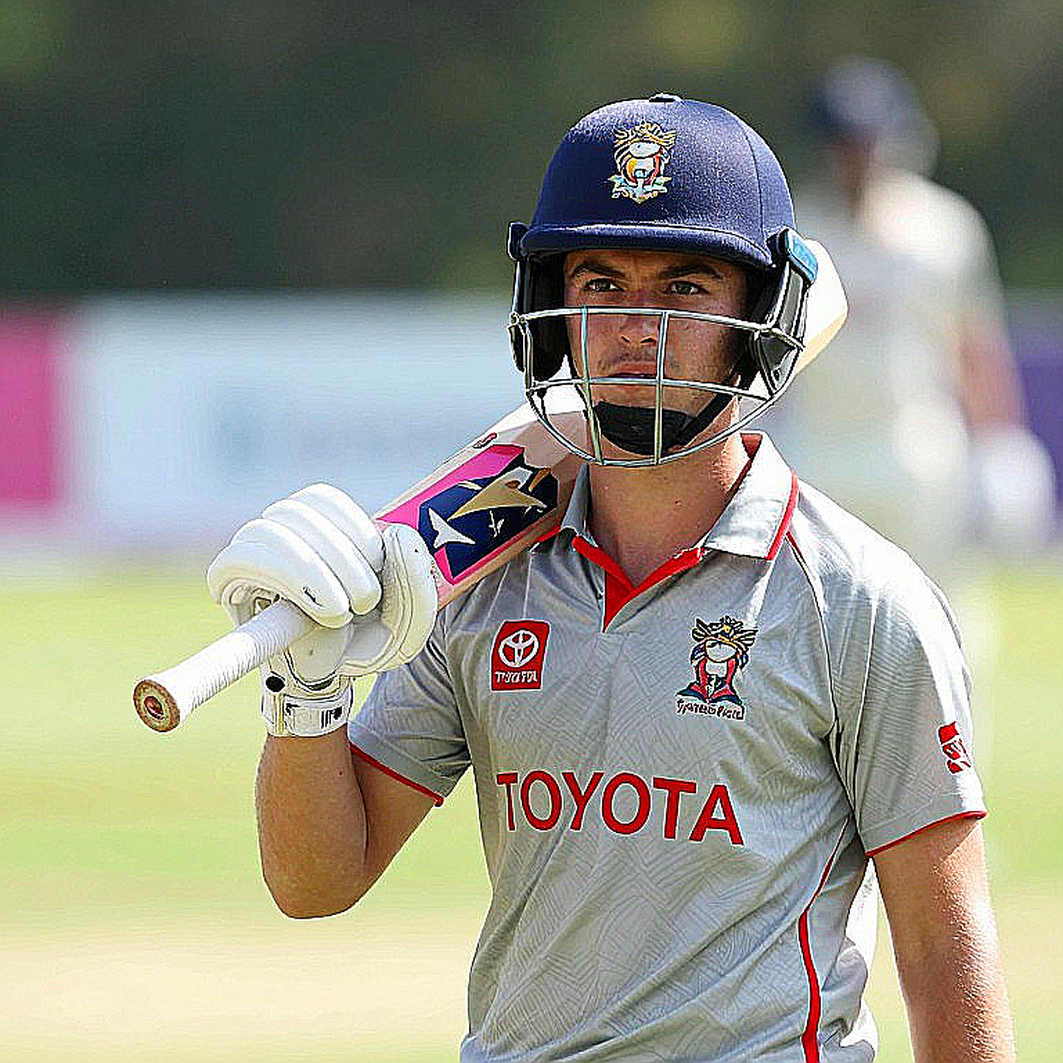
There is also a major gap: no indication of the team's bowling balance. Roles are specified for only two of fifteen players, both wicket-keepers. Batting positions and bowling types for the other 13 are not given. The pace-spin ratio — the single most important selection decision — simply cannot be derived from public information. Any analysis calling this a "spin-heavy" or "pace-heavy" attack would be unsupported.
Rivalry and risk
The group fixture against Pakistan is the tournament's biggest draw. Junior India-Pakistan contests have traditionally been closely fought, and Pakistan's junior system is known for producing genuine pace bowling early. Nepal cannot be taken lightly — their junior programme is considered the strongest among associate nations, and India meet them on the very first day, without having seen the conditions. Hosts UAE have local knowledge of OCC surfaces.
The biggest structural risk is not performance but valuation. Public information contains not a single individual statistic — no averages, no strike rates, no economy rates, no wicket counts, no ages. Any claim about a player's technical quality would therefore be invention. The second risk is home-condition bias: the 3-0 result came at home, and Muscat is a neutral, slower, lower-bounce venue.
Compliance and governance
The event is run by the ACC with neutral member Oman as host. For a group containing India and Pakistan this is administratively the least contentious option — home-board advantage is removed and political complications do not attach. But the least-discussed compliance item in the report is age verification. At U19 level eligibility verification is the primary integrity control, and no player's age is stated — a meaningful gap. Monitoring intensity and market liquidity are also lower at this event tier, which structurally raises the integrity-watch risk. That is a tier-level observation, not an allegation.
Expectations and conclusion
India are structural favourites — on the depth of the system and a 3-0 home win. But that favouritism rests on the system, not on any published data. A semifinal is a fair baseline; the title sits between probability and uncertainty.
Three things are worth remembering. First, the real product of this tournament is player development, not results — U19 performance is a weak predictor of senior success. Second, the intense attention on two names is not performance-based and may become a burden on them. Third, framing a single group-stage defeat as a crisis would distort the actual meaning of a five-match tournament.
(This report is based on a single, unverified source and general cricket-industry knowledge. It contains no individual performance statistics, and none have been invented. No betting advice or prediction of results is offered.)