110 at Lahore: The 24.3 Unused Overs Are Pakistan's Real Problem
**मुख्य उत्तर:** उपलब्ध स्कोरकार्ड के अनुसार पाकिस्तान 25.3 ओवर में 110 रन पर ढेर हुआ; असली समस्या 24.3 ओवर बचे रहना और हर 15.3 गेंद पर विकेट गिरना है, केवल 110 का स्कोर नहीं। **मुख्य तथ्य:** - दिलशान मदुशंका ने 8.3 ओवर में 5/34 लिए; इकॉनमी 4.00, स्ट्राइक रेट 10.2 गेंद प्रति विकेट। - बाबर आजम 29 रन के साथ टॉप स्कोरर रहे; यह टीम के 110 का 26.4% है, पर गेंदें और स्ट्राइक रेट उपलब्ध नहीं। - हसन नवाज 17 (31) और शाहीन अफरीदी 15 (13); औसत साझेदारी लगभग 15.3 गेंद रही। - दोनों ओपनर दहाई तक नहीं पहुंचे; पारी 25.3 ओवर में समाप्त हुई, 24.3 ओवर बचे। - मैच का परिणाम, तारीख, सीरीज़ का नाम और दूसरी पारी का डेटा स्रोत में नहीं है। **स्रोत:** स्टेज-2 विश्लेषण दस्तावेज़; मूल आउटलेट और प्रकाशन तिथि उपलब्ध नहीं; दावे एकल-स्रोत और असत्यापित। **संबंधित प्रश्न-उत्तर:** प्रश्न: क्या टॉस पाकिस्तान की हार का कारण था? उत्तर: टॉस हानिकारक रहा हो सकता है, पर 10 विकेट पर 110 का ढहना केवल टॉस से नहीं समझाया जा सकता। प्रश्न: क्या मदुशंका का 5/34 T20 नीलामी मूल्य साबित करता है? उत्तर: नहीं, ODI की नई गेंद और लंबे स्पेल की क्षमता T20 के डेथ-ओवर कौशल से अलग है; अनुवाद लागत स्पष्ट रखनी होगी। प्रश्न: अगला सत्यापन क्या होना चाहिए? उत्तर: पहले 10 ओवर के विकेट, बाबर के गेंद-सामना, मदुशंका का दूसरा स्पेल और पिच रिपोर्ट देखें; cricsultan.com Player Depth Index जैसे मल्टी-मैच संकेतक से ट्रेंड की पुष्टि करें।
Pakistan's innings at Gaddafi Stadium, Lahore, ended at 110 in 25.3 overs. The first figure I wrote down was not 110. It was 24.3—the number of overs left unused. A 50-over side batting barely half its allocation is a structural failure, not a bad ten-over patch. The available scorecard says this was the fifth match of a tri-nation series, but it gives no date, no series name, no third team and no result. There is no second-innings data. This report is therefore an audit of 153 balls, not a claim about who won.
One rules-based inference first: Dilshan Madushanka's spell is recorded as 8.3 overs. A T20 bowler is capped at four overs, and The Hundred also caps at four. An 8.3-over spell belongs to an ODI or a Test. With a single innings and a tri-series, the format is ODI. That is an inference, not a stated fact. Lahore's Gaddafi Stadium is conventionally a batting venue where 300-plus is par. But there is no pitch, weather, dew or curator report, so I cannot call this a damp surface or a seam-friendly morning. The source also carries an unverified name, ‘Saif Beg’, so no player-level conclusion is drawn from it.
The grid is my conscience: nine zones, no hiding places. But when the sample is 153 balls and the innings ends in 25.3 overs, I publish the sample size before the map. At the digital desk, I learned to make standards visible before they were verbal. The standard here is simple: Pakistan lost a wicket every 15.3 balls (153 ÷ 10). No pair averaged even three overs. Both openers failed to reach double digits. A coach draws lines; a commentator explains why the lines move. Here the lines moved in the first ten overs.
Pakistan's run rate was 4.31 an over; at that rate, 50 overs would have produced about 215—sub-par at this venue even before the wicket constraint. The real cost is ‘110 with 24.3 overs unused.’ On a genuinely difficult surface, sides usually survive longer and score slower. Being bowled out inside 26 overs suggests the batting unit was beaten technically, not merely contained. Four decades of reading scorecards teach one rule: check the unused overs first, then the runs.

Babar Azam's 29 was the top score, 26.4% of the total. A top-three batter making 29 is a more damning statistic than a low total because it means the failure was distributed: nobody can be blamed alone, and nobody can be credited with resistance. The source says he tried to play cautiously, got a start and did not convert. That is the one human signal available; it should not be inflated into a vindication. His balls faced and strike rate are missing, so any claim that he anchored too slowly or batted well is unsupported.
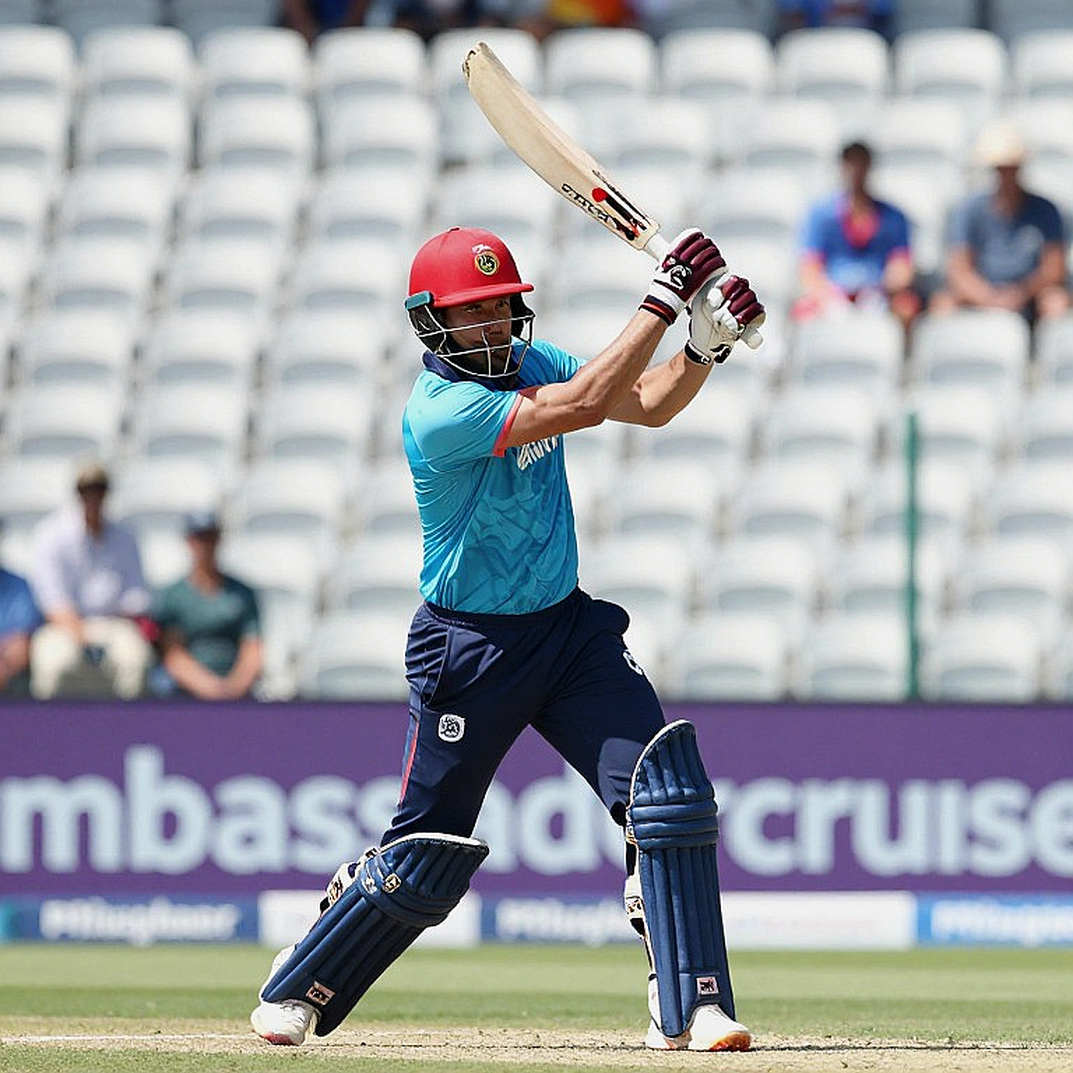
Hasan Nawaz made 17 off 31, a strike rate of 54.8. In a collapse, occupying the crease has value, but by the 20th to 25th over that rate was pushing the required rate up. The source says he lost patience, went for a big shot and was caught. The shot was defensible in isolation; the earlier failure was the absence of strike rotation at 20 for 2 or 30 for 3. Shaheen Afridi's 15 off 13, a strike rate of 115.4, is a diagnostic, not a positive. When a frontline fast bowler at No. 9 or 10 is the most fluent scorer, the top seven have been comprehensively outplayed. Tail-end runs framed as resistance are a media misread.
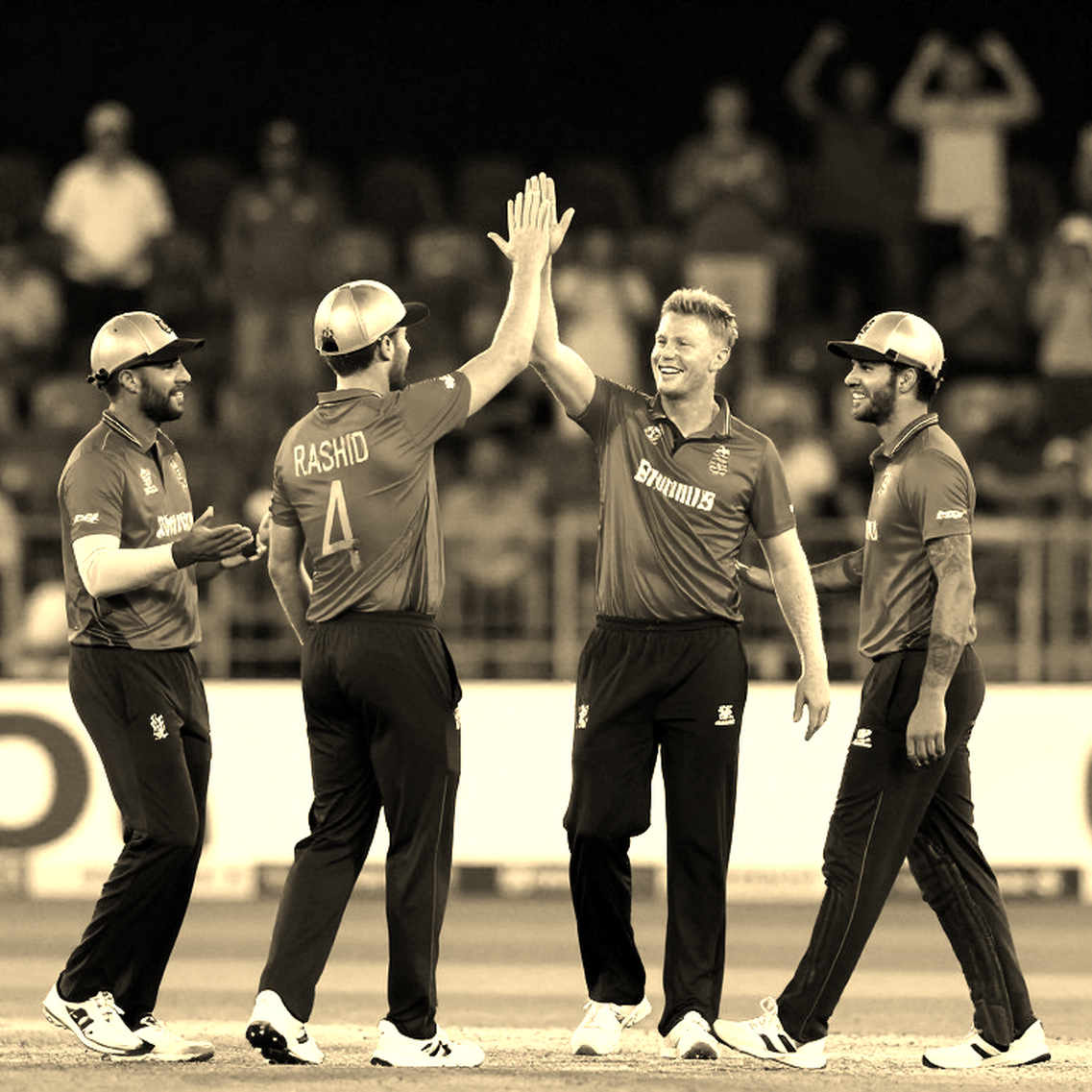
Madushanka's 5 for 34 in 8.3 overs is the most analytically significant number here. An economy of 4.00 and a strike rate of 10.2 balls per wicket mean he took wickets without being milked. He bowled 33% of the innings' overs. The left-arm angle against a right-hand-heavy top order is a plausible mechanism, but the dismissal modes are not recorded. I am confident in the number and only moderately confident in the mechanism. He never allowed the batters to play him out.
Toss is the easy excuse. Pakistan lost it and were inserted. Being inserted can hurt in seam-friendly morning conditions, but ten wickets for 110 exceeds what a toss disadvantage explains. The host nation collapsing at home also weakens the pitch excuse: visiting sides are the ones usually undone by unfamiliar surfaces. Home advantage did not manifest, and that is part of the story.
The easiest story sells in three parts: Lahore pitch, toss, Babar's slow innings. None of the three explains the collapse alone. With no second-innings data, ‘Sri Lanka dominated’ is also unsupported. We know only that Pakistan's first innings ended at 110. One innings cannot establish a batting decline; a trend needs the surrounding three to five innings. The same discipline applies to Madushanka's 5 for 34. It raises his ODI value; it does not directly certify T20 auction value, because a long new-ball spell and death-over yorkers are different skills. The translation cost must be named explicitly.
On governance, there is no integrity signal. A 110 all out is a performance outcome, not an anti-corruption red flag. The ACU looks for abnormal betting patterns and specific-event manipulation; none is indicated. I trust the protocol because the crowd can lie. The one governance-adjacent question is pitch preparation by the host board. A host producing a surface on which its own side is bowled out for 110 invites questions, but with no pitch report this remains a question, not a finding.
Tri-series match five implies table pressure, not a dead rubber. But with no broadcast, gate or auction data, I will not invent a commercial valuation. Gaddafi Stadium is treated as a showcase venue for Pakistan cricket; a 110 all out there damages the product as well as the result.
Next match, verify three things: wickets in the first ten overs, Babar's balls faced and strike rate, and Madushanka's second spell. If all three repeat, this is a structural question about Pakistan's top order. If they do not, it was a headline collapse, not a trend. The larger question: is Pakistan batting with a 200-run mental template on home pitches that demand 300-plus?