
होमAsian CricketMarco Jansen's Double No.1 and Abhishek Sharma's Return: The Glare of Rankings and the Incomplete Picture
Marco Jansen's Double No.1 and Abhishek Sharma's Return: The Glare of Rankings and the Incomplete Picture
**कोर उत्तर:** मार्को यानसेन ने टेस्ट गेंदबाज़ी और टेस्ट ऑलराउंडर रैंकिंग में पहला स्थान हासिल किया, जबकि अभिषेक शर्मा T20I बल्लेबाज़ी में नंबर एक पर लौटे। केप टाउन टेस्ट चल रहा था, इसलिए यानसेन का शीर्ष स्थान अस्थायी है। **मुख्य तथ्य:** - यानसेन: 876 अंक, दो टेस्ट में 10 विकेट और 146 रन, सर्वश्रेष्ठ पारी 5/33। - ग़ेबेरहा में ऑस्ट्रेलिया 99 रन पर ढेर; यानसेन ने पहली पारी में पांच विकेट लिए। - अभिषेक: 29, 27, फिर 38 गेंदों पर 113 रन; T20I नंबर एक पर वापसी। - केप टाउन टेस्ट में स्टार्क के छह विकेट; रैंकिंग शीर्ष बदल सकता है। **स्रोत:** ICC रैंकिंग अपडेट राउंडअप; प्रकाशन तिथि उपलब्ध नहीं; आंकड़े ESPNcricinfo और ICC आधिकारिक पृष्ठों से सत्यापन योग्य। **संबंधित प्रश्न-उत्तर:** प्रश्न: क्या यानसेन का नंबर एक स्थायी है? उत्तर: नहीं, केप टाउन टेस्ट में स्टार्क के छह विकेट से रैंकिंग बदल सकती है। प्रश्न: अभिषेक की नंबर एक वापसी का आधार क्या है? उत्तर: 38 गेंदों पर 113 रन की पारी और रैंकिंग विंडो का भार; लगातार प्रदर्शन नहीं। प्रश्न: किस आंकड़े को सबसे संदेह से देखना चाहिए? उत्तर: ब्रूक के 202 रन और यानसेन के 876 अंक; स्रोत सत्यापन ज़रूरी।
The Newlands air still carried the old seam movement, but the rankings update told a different story. The Cape Town Test was still in progress, bowlers were sweating on the field, and the ICC table had Marco Jansen at No.1 in two places — Test bowling and Test all-rounder. I was sitting in a small Abu Dhabi studio, a cricket-loving friend on the phone. He asked, so Jansen is the best bowler in the world now? I paused for a few seconds and said, wait, the scoreboard and the rankings table are telling two different stories. In that moment I remembered an old lesson — the phone taught me that hosting starts with listening to silence. Rankings are a kind of silence; they speak in numbers, but every number hides a condition.
This update brings three separate cricketing worlds together. South Africa versus Australia in Tests, India versus New Zealand in T20Is, and an ODI tri-series in Pakistan. They have no competitive connection; the only thread is the ICC weekly ranking cycle. That cycle can create the illusion that all three are chapters of one epic. For me it is like the Dubai final and the Abu Dhabi draft — Dubai final to Abu Dhabi draft: the story learned to change time zones. But changing time zones does not change facts. Test data cannot be read across to T20I or ODI. That is the first caution of this update.
Jansen's story begins at St George's Park in Gqeberha. Australia were bowled out for 99, and Jansen took 5/33 to break the innings. In two Tests he took 10 wickets and scored 146 runs, including 85 at No.8. With 876 rating points he reached the top of Test bowling. That is genuinely strong. But the double No.1 is also a formula outcome. Jansen is a left-arm seamer, and on South Africa's seam-friendly home pitches his angle troubles right-handers. A No.8 all-rounder and a top-six all-rounder are different assets. The ranking cannot put both in the same box. Based on my years of watching matches, an innings like 5/33 can turn a match, but it does not prove the bowler is No.1 in every condition.
Mitchell Starc took six wickets in the Cape Town Test. The rankings update itself conceded that the top spot may change again. That is the fragile part of the headline. The moment you call Jansen the best Test bowler, Starc's six-wicket spell is ready to hollow out the claim. Rankings average the past; the field changes by next morning. Rankings are a moving picture, not a permanent crown.
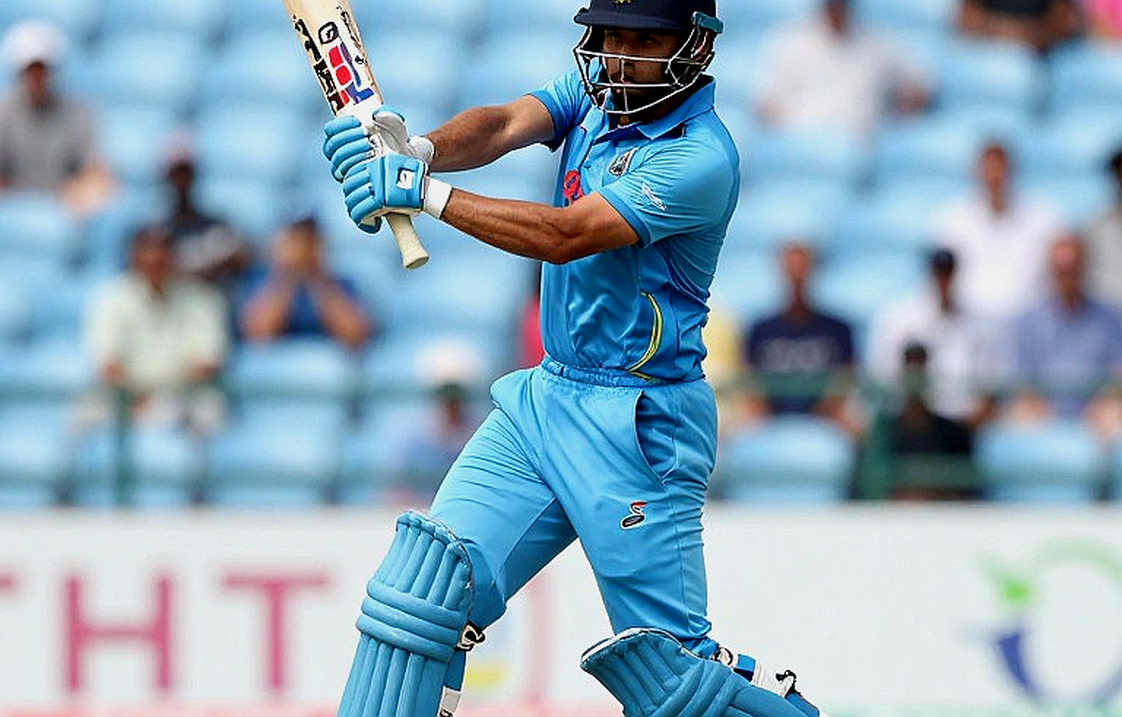
On the other side is Abhishek Sharma's return to T20I No.1. He made 29 and 27 in the first two matches, then 113 off 38 balls, a strike rate of about 297. That number is an explosion, but it is not proof of consistency. Abhishek's game is high-risk, high-strike-rate batting. A player of that kind can reach No.1 through one big innings inside a ranking window, but team selection cannot treat two low scores and one explosive knock as a trust metric. Ishan Kishan reached No.1 in July, was injured after one match, and Abhishek returned to the top. A No.1 that changes after one injury says a lot about the sensitivity of the metric. It is a sign of table instability, not one player's dominance.
In Test batting, Temba Bavuma reached No.2 on the back of 179. It was a superb innings, but one innings is not a large sample. Above him is Harry Brook, who is No.1 in Test batting. In ODIs Brook made 202 against Sri Lanka, yet he sits at No.8 in ODI batting. That shows rankings and reputation do not move in step. Brook plays fewer ODIs, so the table cannot catch up with his output.
For India, another change happened quietly. Ravindra Jadeja held the Test all-rounder No.1 for more than four years. He has now slipped one place. The fall looks small, but its meaning is deep. India's team balance was built around an all-rounder who bats in the top seven and bowls a full spell. Such a player does not appear overnight. Jadeja leaving the top can be the first sound of a selection transition.
Bangladesh's picture is the quietest and most warning-filled. Mehidy Hasan Miraz is No.3 among Test all-rounders, but no Bangladeshi specialist batter or bowler is inside the top 10 in any format. The best Test batter is 18th, the best Test bowler 18th, the best ODI position 24th. This is not a talent shortage; it is a ceiling problem. The team is producing contributors, not match-defining specialists.
I do not treat the glare of rankings as the end of the story. Forty thousand empty blue seats made the dragon soul audible, and I learned then that crowd energy can be heard more clearly in emptiness. Rankings are similar. They make noise, but they also show the gaps. Jansen's double No.1 is a proud moment for South Africa, but it also exposes a structure resting on two players. Bavuma and Jansen — two names, and the team's entire top-tier presence around them. One injury or dip in form can flip the picture.
Look through the opposite lens and Australia's one-place slippage is not decline. Starc dropped one place while taking six wickets in the next Test. That is the limit of rankings. They lag performance. What we call a fall is sometimes just a delayed table update. The South Africa-Australia series is a genuine two-way pace contest. The 99 all out at Gqeberha and Starc's reply in Cape Town are both part of that fight.
I also worry about verification. This update comes from a single source, and several figures have not been independently checked. The 876 points, 5/33, 113, 202 — these need checking against ICC and ESPNcricinfo official pages. I am a man of the old radio era; I trust a voice before a number. But in today's world even a voice asks for verification.
What will the next morning show? After Cape Town, will Jansen keep No.1 or will Starc take it back? Will Abhishek's 113 be repeated, or will opponents find a cure for his risk-heavy method? Where will India find a Test all-rounder who bats in the top seven and bowls 24 overs? And when will Bangladesh put a specialist batter or bowler in the top 10? The rankings table does not answer these questions. It only opens another bright box for next week. The real story is written on the field in the morning, where the scoreboard carries no ranking number.
संबंधित खिलाड़ी
अनुशंसित
Two Days Before the Mirpur Test, Simmons Returned the Chaos Question — and the Room Went Quiet for Three Seconds2026-10-27
In Wellington the Question Isn't the Opener — It's the First Over of Spin2026-10-28
PCB's Self-Audit: 240 Million People, 14 Picked, and a Demand for Basic Skills2026-10-25
Travis Head's 'Unit' Message: In Test Cricket, Partnerships Are the Real Winning Formula2026-10-25
Drones Are Coming to Dhaka Club Cricket; the Questions Around Umpiring Will Stay2026-10-23
The Karachi Circular Mistaken for Cricket: SBP Rules and the Missing Page Between PSL Ownership and Capital2026-10-26
The Empty File and the Full Bids: Who Keeps the Paper in Asian Cricket's Transfer Market2026-10-24
अनुशंसित
The 41-Run Contract in Abu Dhabi: Bangladesh Chose the Equation at the Toss, With Three Changes and an ODI Debutant2026-10-23
Another Major Development in Asian Cricket: Will India-Pakistan Relations See a Thaw?2026-10-26
Marco Jansen's Double No.1 and Abhishek Sharma's Return: The Glare of Rankings and the Incomplete Picture2026-10-29
429 Was Not Enough: Brook's 202, Sri Lanka's 430 Chase and the Ledger of England's Death-Overs Failure at Rawalpindi2026-10-23
Not the Bid, the Metric: The Cricket Ledger the Broadcast Never Shows2026-10-26
Reading the Blank Sheet: When All Eight Columns of a Cricket Analysis Return N/A2026-10-27
Zero Facts, Eight Chapters: A Verdict Pulled From Asian Cricket's Empty File2026-10-24