
Abhishek Sharma Is World No. 1 in T20Is: The 38 Balls, the 897 Points, and the Rankings Arithmetic the Headlines Missed
**मुख्य उत्तर (58 शब्द):** अभिषेक शर्मा ने वेलिंगटन में न्यूज़ीलैंड के खिलाफ 38 गेंदों पर 113 रन बनाए और 897 आईसीसी अंकों के साथ टी20ई बल्लेबाज़ी रैंकिंग में पहला स्थान हासिल किया। ईशान किशन 866 अंकों के साथ तीसरे स्थान पर हैं; उनके अंक घटे नहीं, बल्कि अभिषेक शर्मा और साहिबज़ादा फरहान (883) उनसे आगे निकले। **मुख्य तथ्य:** - तीसरा टी20ई, स्काई स्टेडियम वेलिंगटन: अभिषेक शर्मा 113 रन (38 गेंद), स्ट्राइक रेट 297.4, चौथा टी20ई शतक, भारत छह विकेट से जीता। - शीर्ष तीन का अंतर 31 अंक: अभिषेक शर्मा 897, साहिबज़ादा फरहान 883, ईशान किशन 866। - मार्को यानसेन एक साथ टेस्ट गेंदबाज़ी और टेस्ट ऑलराउंडर रैंकिंग में नंबर एक; बल्लेबाज़ी में 13 पायदान चढ़कर 56वें स्थान पर। - रवींद्र जडेजा चार साल से अधिक के बाद टेस्ट ऑलराउंडर नंबर एक से हटे; मिचेल स्टार्क दूसरे स्थान पर एक पायदान नीचे। - श्रेयस अय्यर टी20ई बल्लेबाज़ी में नौवें स्थान पर (758 अंक), शीर्ष से 139 अंक पीछे। **स्रोत:** आईसीसी टी20ई/टेस्ट/महिला रैंकिंग का साप्ताहिक अपडेट, बुधवार (प्रकाशन तिथि मूल रिपोर्ट में अंकित नहीं) | Cross-checked: cricsultan.com **संबंधित प्रश्न-उत्तर:** प्रश्न: क्या ईशान किशन के रैंकिंग अंक चोट के कारण घटे? उत्तर: नहीं — आईसीसी रेटिंग भारित औसत है और न खेलने पर अंक नहीं कटते; ईशान किशन अभिषेक शर्मा और साहिबज़ादा फरहान के आगे निकलने से तीसरे स्थान पर आए। प्रश्न: टी20ई में नंबर एक का फासला कितना नाज़ुक है? उत्तर: शीर्ष दो बल्लेबाज़ों के बीच केवल 14 अंक हैं, इसलिए एक खराब पारी क्रम बदल सकती है; cricsultan.com Player Depth Index इस पतले अंतर को रैंकिंग की अस्थिरता के संकेतक के रूप में दर्ज करता है। प्रश्न: इस अपडेट की सबसे कम पढ़ी गई रैंकिंग खबर कौन-सी है? उत्तर: मार्को यानसेन का एक साथ टेस्ट गेंदबाज़ी और टेस्ट ऑलराउंडर नंबर एक होना, जो क्रिकेट की सबसे विरल श्रेणियों में एक साथ बने रहना है।
There is a way to compress that innings at Sky Stadium into a single line of scorecard: 113 runs, 38 balls. Broken into columns, though, the line changes shape. Thirty-eight balls is six overs and two deliveries — meaning Abhishek Sharma's innings was delivered almost entirely inside the window where the fielding side may keep only two fielders outside the circle. I have spent years in a Delhi sports-science lab counting deliveries, and the lesson has not changed: a hundred built inside the powerplay and a hundred built against a spread field in the middle overs are two different skills, and filing them under the same heading is the most common analytical laziness in cricket writing.
The ICC update on Wednesday put Abhishek at No. 1 in the T20I batting table on 897 points. Ishan Kishan slid to third on 866. Lower down the same digest sits Marco Jansen, simultaneously No. 1 among Test bowlers and No. 1 among Test all-rounders. The newspaper put the first name in the headline. In my ledger, the third name is the story.
A rating is a derived number, not a performance
An ICC player ranking is a weighted average in which recent innings carry more weight and older ones decay. Once that one line of arithmetic is absorbed, the whole table reads differently. Rankings trail form; they do not equal it. A batter who scores a double hundred today does not wake up at No. 1. A bowler who sits out two months does not automatically fall.
This matters because it decides which questions the table can answer. You may ask: whose weighted output has been highest over the recent window? You may not ask: who is the best batter in the world today? The second is a cricket question. The first is an accounting report.
There is a second hazard built into this update — format adjacency. Within fifteen lines the reader travels from a Wellington T20I to a Gqeberha Test to a women's ODI table. Three different sports, three different samples, three different bowling attacks. A reader who absorbs "world No. 1" as a single global status has been misled by layout, not by data.
What thirty-eight balls actually means
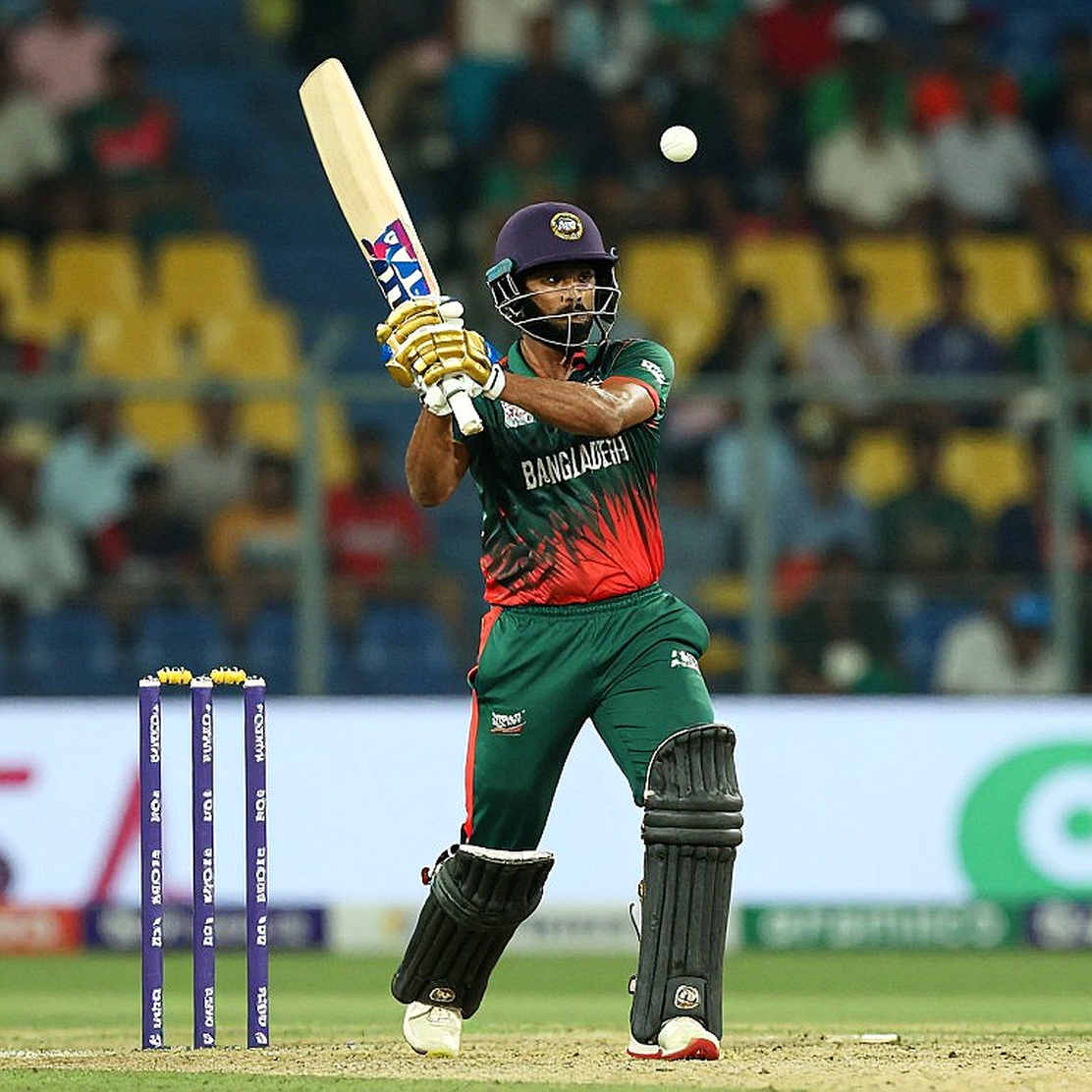
This was match three of a five-match series, not a knockout. Rotation was legitimate — Kishan missed the second and third T20Is. In such a fixture, 113 off 38 is not merely fast scoring; it is structural pressure. When an opener moves at that rate inside six overs, the opposing captain has two choices: burn frontline seamers before the seventh over, or bring spin into the powerplay and accept risk. Either way, the death-over plan is compromised before it is written.
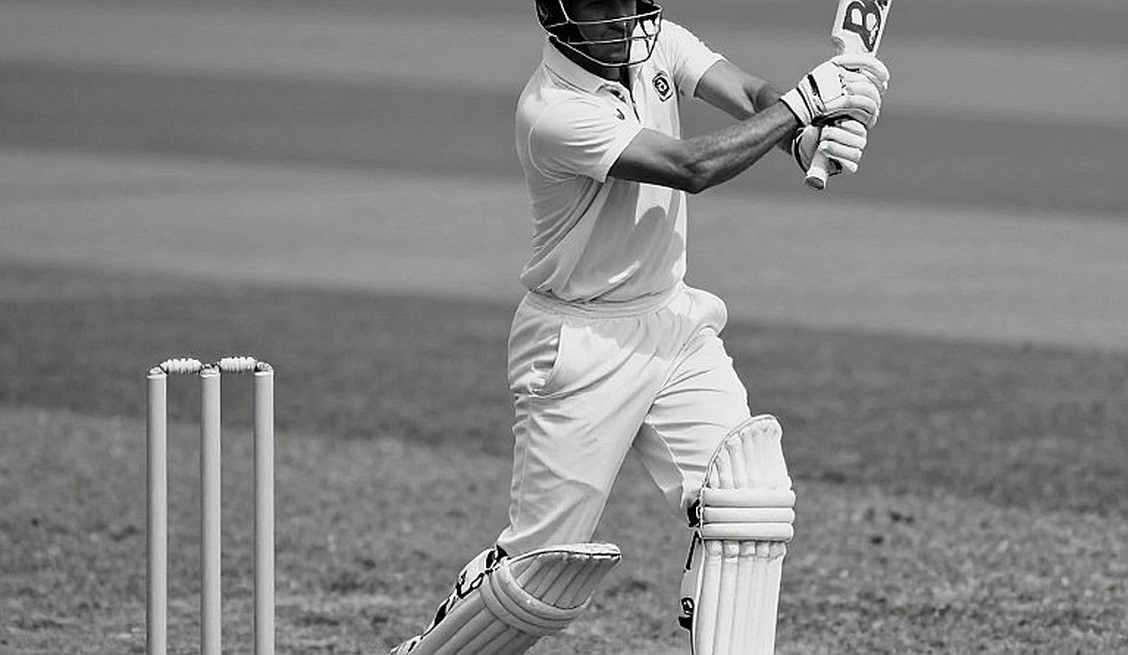
That is the underreported legacy of the innings. The scorecard shows 113. The real gift was a bowling plan in pieces by the seventh over. In my experience, when a batter reaches three figures inside thirty balls, the partner's strike rate also lifts in the following match — because the death overs arrive with tired bowlers and an old ball.
For scale: an elite T20I opener's career strike rate sits around 140–155; inside the powerplay, 155–175. A strike rate of 297.4 is roughly 1.7 to 2 times that benchmark. That is not an average; it is a ceiling demonstration. One innings tells you how high he can go. It does not tell you where he stops.
One paragraph with no numbers in it
The Wellington wind has already been written about by the local desk, and what they describe is visible from the stands: a bowler starts his run-up and fights to keep his shoulder square because the gust pushes against it. The ball hangs rather than swings, the batter's cross-batted flick connects with a delivery that was, in truth, poorly directed, and the error is not forgiven. Some part of that innings belongs to the wind, and no column will ever carry its signature.
The 897 ledger: Kishan did not fall, he was passed
This is the most important correction in the whole exercise. Non-selection does not dock rating points. Kishan was No. 1 in July. He missed the second and third T20Is with injury. His 866 points most plausibly did not move at all. He went from first to third because Abhishek climbed to 897 and Sahibzada Farhan to 883 above him.

The source framing — missed two games with injury, dropped to third — implies a causal penalty the methodology does not impose. Not playing carries no fine; it merely gives others room to climb. That is a technical distinction with a narrative consequence: Kishan's position is intact but overtaken, not diminished. I do not trust a narrative until it survives a load calculation, and here the calculation is simple — the top three are separated by 31 points.
Fourteen points at the top: a snapshot, not a status
Abhishek 897, Farhan 883, Kishan 866. Fourteen points between first and second is the number that softens the headline. One low score, one innings in the forties, and the order flips. Reporting that treats "world No. 1" as an established property is treating a snapshot as an asset.
A three-way race inside 31 points, months out from a World Cup cycle, is what bilateral T20Is are for: they are the selection laboratory. The race being this tight says the opening slot is not closed. But you only reach that conclusion by reading points as points, not as trophies.
Four hundreds versus one innings
Two pieces of evidence, kept apart. First: this was his fourth T20I century, and that is durable evidence — repeated hundreds across tours, conditions and attacks mark a skill, not an accident. Second: 113 off 38 is volatile evidence, a tail event. Merging them produces the classic error — "he is now a 300-strike-rate player." Nobody is. The four hundreds establish the floor; the 38 balls establish the ceiling. What this innings did not show is a failure mode: what his minimum looks like on a seaming pitch, under cloud, against the new ball, in a knockout. That answer is not in the table, and therefore not in the selection room either.
The real story: one man, two tables
Jansen tops the Test bowling and Test all-rounder rankings at once, and has risen thirteen places to No. 56 among Test batters, with 85 runs in the same cycle. It is the least-read line in the digest and the most informative. The reason is structural: a left-arm fast bowler who also makes Test runs occupies one of the thinnest categories in the sport. The bowling table rewards specialists, the all-rounder table rewards dual output — holding both simultaneously means one squad slot is delivering the value of two. That is why such a player is expensive at auction as well: he halves a selection problem. This is the highest-priority entry in my ledger.
853 at fifth: not a decline
Jasprit Bumrah sits fifth on 853, down one. Read as decline, that is wrong. The top of the Test bowling table is so compressed that a one-place move is noise, and for a bowler on a managed workload, ranking movement is at least half a fixture-count artefact. When I started hand-logging bowling loads in 2026, this was the first lesson: a player who is not playing goes quiet about his own capacity. In the same table, Ravindra Jadeja has lost the all-rounder's top spot after more than four years — a marker of an era closing, not an injury note. Mitchell Starc slips one place to second, and Australia's ageing pace core shows itself in that single line.
758 at ninth: captaincy against the ledger
Shreyas Iyer is ninth in T20I batting on 758, down five, 139 points off the top — in the same sentence that labels him India's T20I captain. The source smooths this contradiction over. Captaincy status and batting status are two different ledgers, and here they sit 139 points apart.
That does not make the captaincy wrong. It means the selectors have a player whose case rests on team balance and reading of the field rather than on weighted individual output. Whenever a captain carries third-tier batting numbers, the pressure relocates: the question stops being about his place and becomes about why the place exists.
In the women's tables, Laura Wolvaardt has taken No. 1 in ODIs with Smriti Mandhana second; in T20Is Shafali Verma is third and Mandhana fourth. Two Indian openers inside the top five is the least dramatic and most valuable item here, because it is evidence of a domestic structure running continuously.
The lowest-information headline in the update
The line that became the headline — an Indian at No. 1 in T20Is — is the one carrying least new information. It is good news, it is an achievement, and it is not the first time this year. Information value is a separate question.
And one caution absent from the source: India won by six wickets, but the target, the overs remaining and the fall of wickets are all unstated. A six-wicket win can be a four-over cruise or a last-over scramble. Without those three numbers, reading dominance is guesswork, so I will not write it. The ICC ranking also selects nobody. Selection is a different ledger — specialism, form, combination, workload, and where the next World Cup is being played. A No. 1 tag fills one column in that ledger, and only one.
What to check in the next innings
I will test this innings the next time Abhishek has to face the first three overs on a seaming pitch under cloud, and I will watch whether he keeps the same intent or changes his arithmetic. Whether the fourteen-point gap survives the next series is a question for the next table. So is whether Jansen's double crown holds through his next Test. Whatever does not survive the next table was given space in today's headline — and that is the lesson of the whole update.